
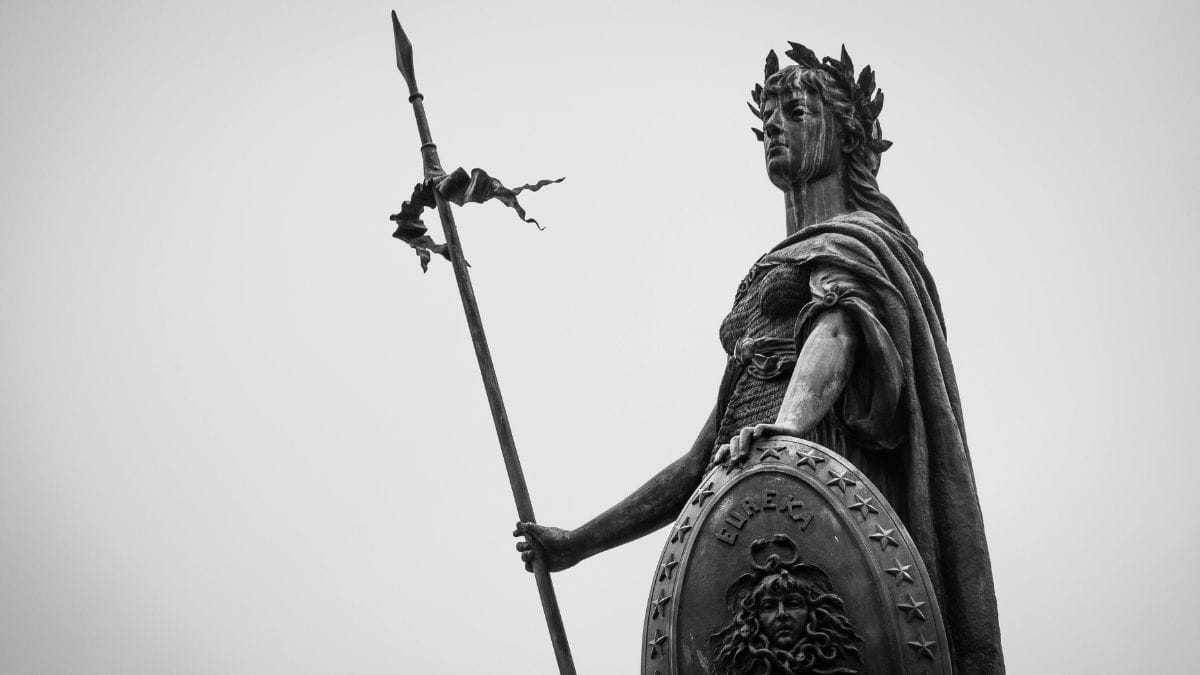
There’s something quietly grounding about mythology classics. When modern life starts to feel loud, fractured, or strangely weightless, these ancient stories pull us back into a deeper rhythm — one shaped by gods who argued like humans, heroes who failed spectacularly, and monsters born from fear rather than fantasy. These books weren’t written to entertain us in neat chapters or deliver moral clarity. They were attempts to explain storms, suffering, love, war, fate, and the terrifying vastness of existence itself. Reading mythology isn’t about escaping reality; it’s about encountering its earliest reflections. Long before novels, these myths carried history, belief, psychology, and poetry in one breath. Returning to them feels less like reading and more like remembering something we never consciously learned.
Why Mythology Classics Still Matter
Mythology classics endure because they don’t offer solutions — they offer patterns. In these stories, the world is unpredictable, power is unstable, and even the gods are bound by forces they barely understand. That alone makes them feel strangely modern. Ancient mythological literature didn’t separate entertainment from meaning; it assumed that storytelling was how humans made sense of chaos. Whether it’s Greek heroes wrestling with pride, Norse gods facing inevitable collapse, or Mesopotamian kings searching for immortality, these books reveal how early civilizations processed fear, desire, death, and hope. They also laid the groundwork for later literary traditions, influencing everything from epic poetry to modern fantasy. Long before the idea of must-read classics existed, mythology served as humanity’s first shared library — a place where stories carried both wonder and warning in equal measure.
The Iliad by Homer
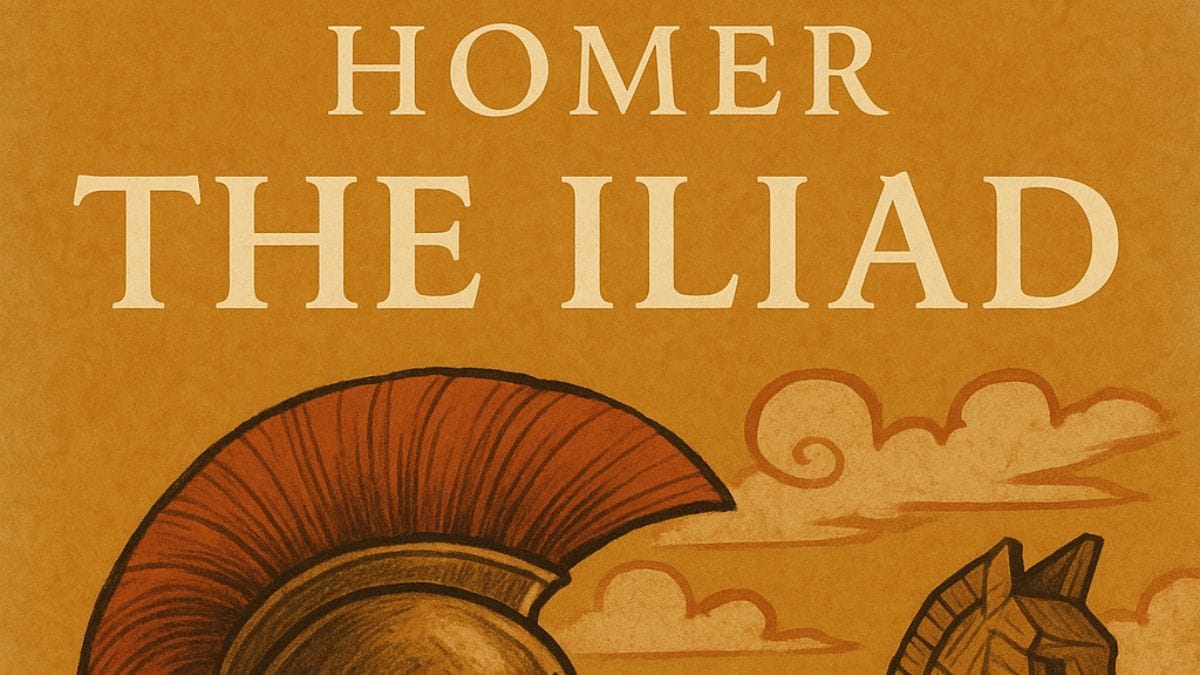
Violent, intimate, and relentlessly human, The Iliad isn’t really about the Trojan War — it’s about what rage does to the soul. Gods interfere constantly, but they don’t resolve anything; they amplify human flaws instead. Achilles’ anger burns so fiercely it reshapes the entire narrative, turning glory into grief. This epic mythology classic doesn’t romanticize heroism. It shows its cost: pride, loss, and irreversible consequences. Even the gods feel petty, biased, and emotionally unstable, mirroring the humans they manipulate. Reading The Iliad today feels like witnessing the birth of literary tragedy — where fate and choice collide without mercy. It’s also a reminder that ancient myths weren’t moral instruction manuals; they were honest examinations of how destructive unchecked emotion can become.
The Odyssey by Homer
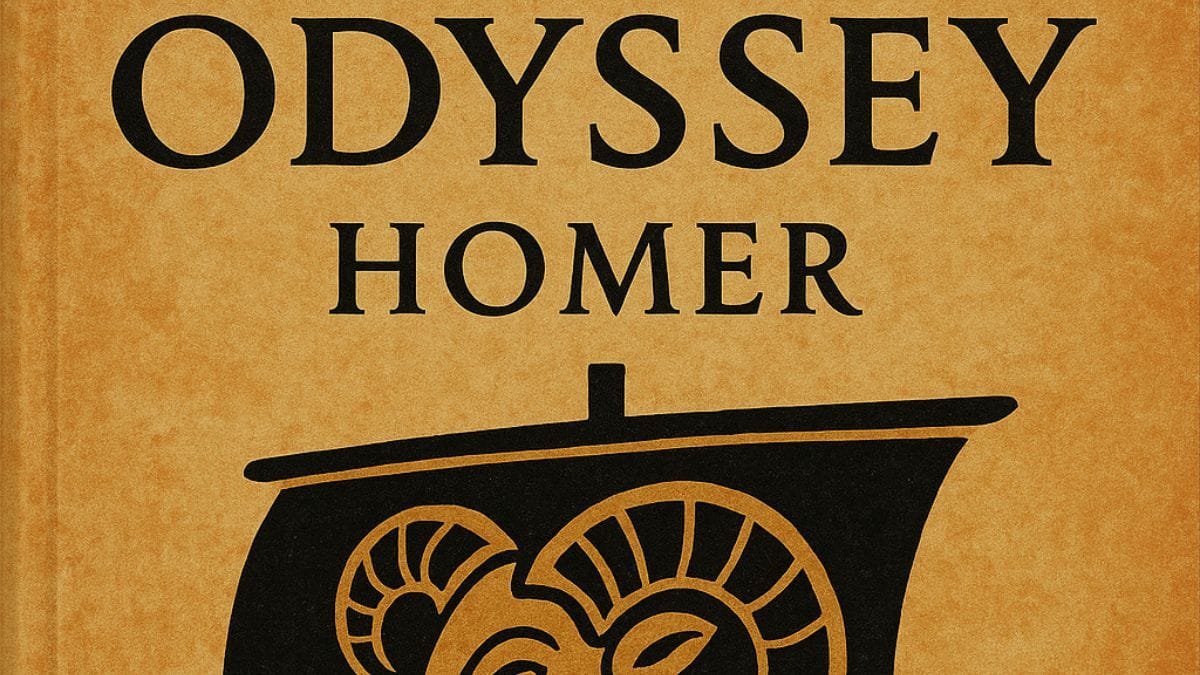
If The Iliad is about rage, The Odyssey is about endurance. Odysseus survives not because he’s the strongest, but because he adapts — sometimes cleverly, sometimes dishonestly. This mythology classic unfolds like a long meditation on identity, temptation, and the cost of wandering too far from home. Monsters, nymphs, and gods appear less as obstacles and more as mirrors reflecting Odysseus’ weaknesses. What makes this book timeless is its emotional core: the quiet persistence of memory, loyalty, and longing. Beneath the adventures lies a deeply human question — how much can a person change before they’re no longer themselves? It’s no surprise this story continues to echo across literature.
Metamorphoses by Ovid
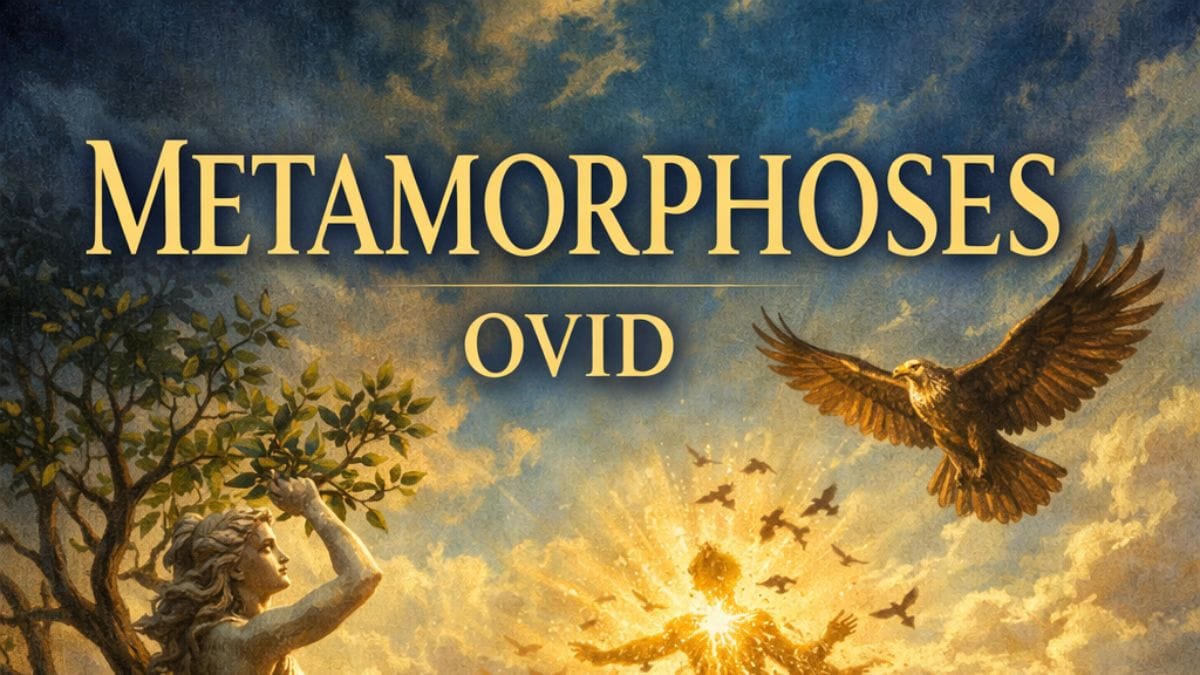
Metamorphoses reads like a dream stitched together by transformation. Gods fall in love recklessly, punish cruelly, and reshape humans into trees, animals, stars, and echoes. Change is the only constant here — physical, emotional, cosmic. Ovid’s genius lies in his refusal to explain or justify these transformations. They simply happen, often unjustly, sometimes beautifully. This mythology classic feels surprisingly modern in its emotional ambiguity, where power doesn’t guarantee wisdom and beauty doesn’t ensure safety. Many later artists, poets, and playwrights drew directly from these tales, treating them as raw symbolic material. Reading Metamorphoses is like stepping into the subconscious of ancient culture — fluid, unsettling, and endlessly suggestive, much like many later fantasy classics.
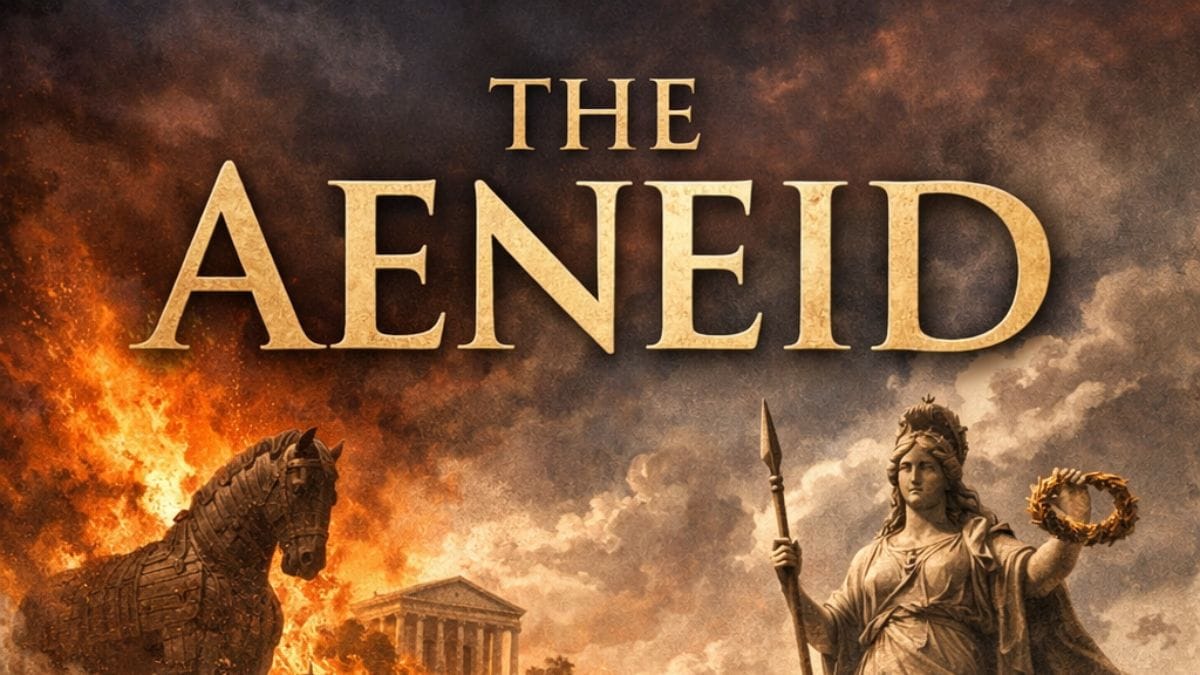
The Aeneid by Virgil
Where Homer explored chaos, Virgil explores duty. The Aeneid follows Aeneas, a hero defined less by desire than by obligation — to gods, ancestors, and an unborn empire. This Roman mythology classic is quieter but heavier, infused with the weight of destiny. Aeneas sacrifices personal happiness repeatedly, including love, to fulfill a future he will never see. What makes the story haunting is its emotional restraint; grief is present, but it’s absorbed into responsibility. The gods here feel distant, almost bureaucratic, enforcing fate rather than playing with it. The Aeneid asks a difficult question that still resonates: what does it cost to build something meant to last longer than yourself?
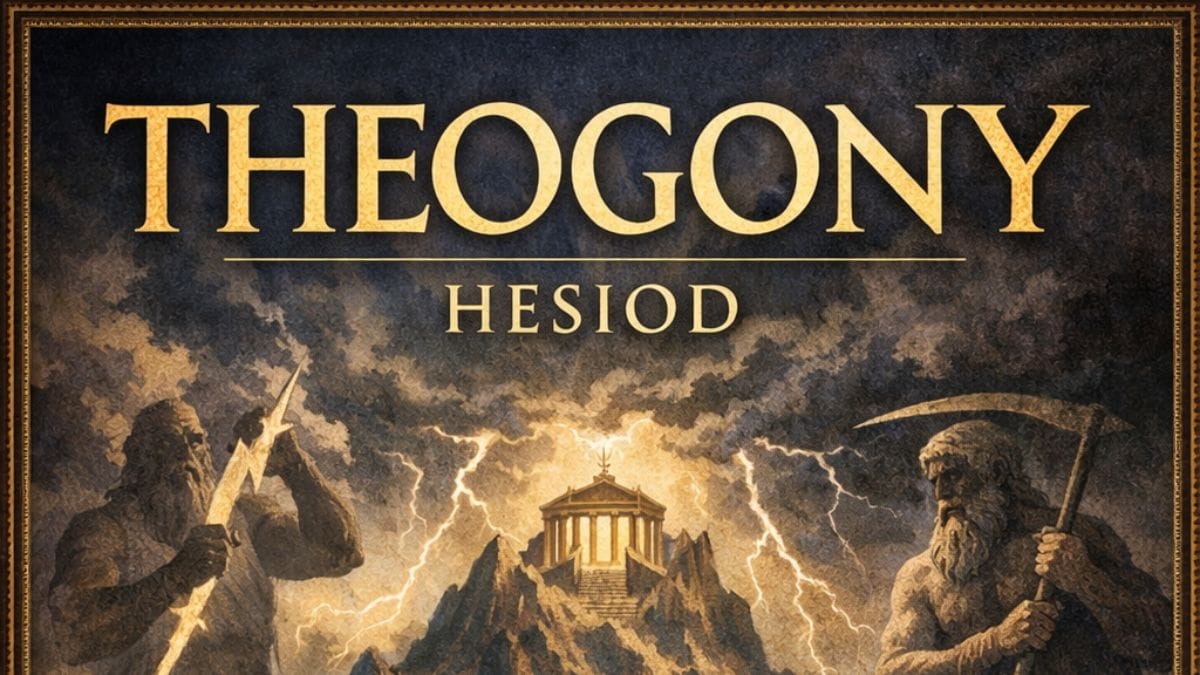
Theogony by Hesiod
Before heroes and wars, there was genealogy. Theogony maps the birth of the universe through divine lineage — chaos giving way to order, violence giving way to structure. This mythology classic reads less like a story and more like a cosmic family tree, where power is inherited, contested, and violently seized. Titans overthrow primordial forces; Olympians overthrow Titans. Creation here isn’t peaceful — it’s brutal and necessary. Hesiod’s work helps us understand how ancient Greeks imagined authority, hierarchy, and the terrifying origins of existence. There’s no sentimentality in these myths, only structure emerging from conflict. In that sense, Theogony feels like mythology in its rawest philosophical form, closer to philosophy classics than narrative fiction.
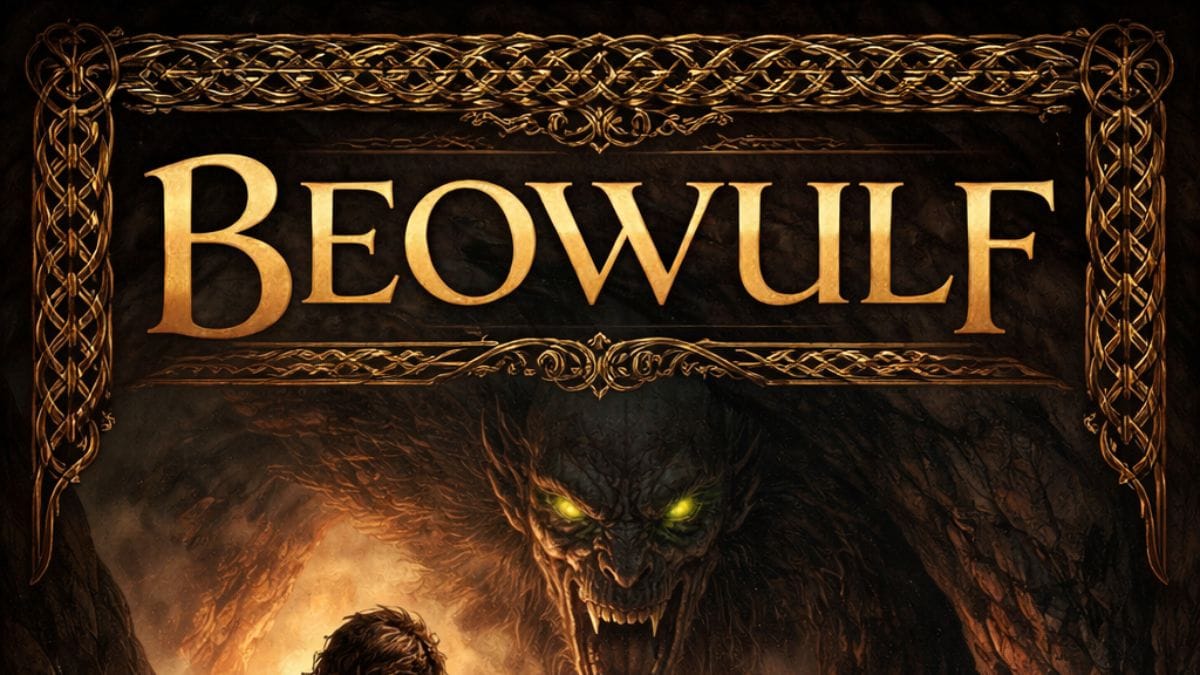
Beowulf by Anonymous
Dark, spare, and haunted by inevitability, Beowulf stands apart from Greco-Roman mythology. This Anglo-Saxon epic centers on heroism in the face of certain decline. Monsters aren’t metaphors — they are physical manifestations of chaos pressing against fragile human order. Beowulf’s strength is legendary, but the poem never lets us forget that time erodes even the greatest victories. What lingers after reading is not triumph, but atmosphere: cold halls, whispered songs, and the looming sense that all glory fades. This mythology classic doesn’t celebrate immortality; it confronts mortality directly. That somber tone places it close to later gothic classics, where heroism and darkness coexist uneasily.
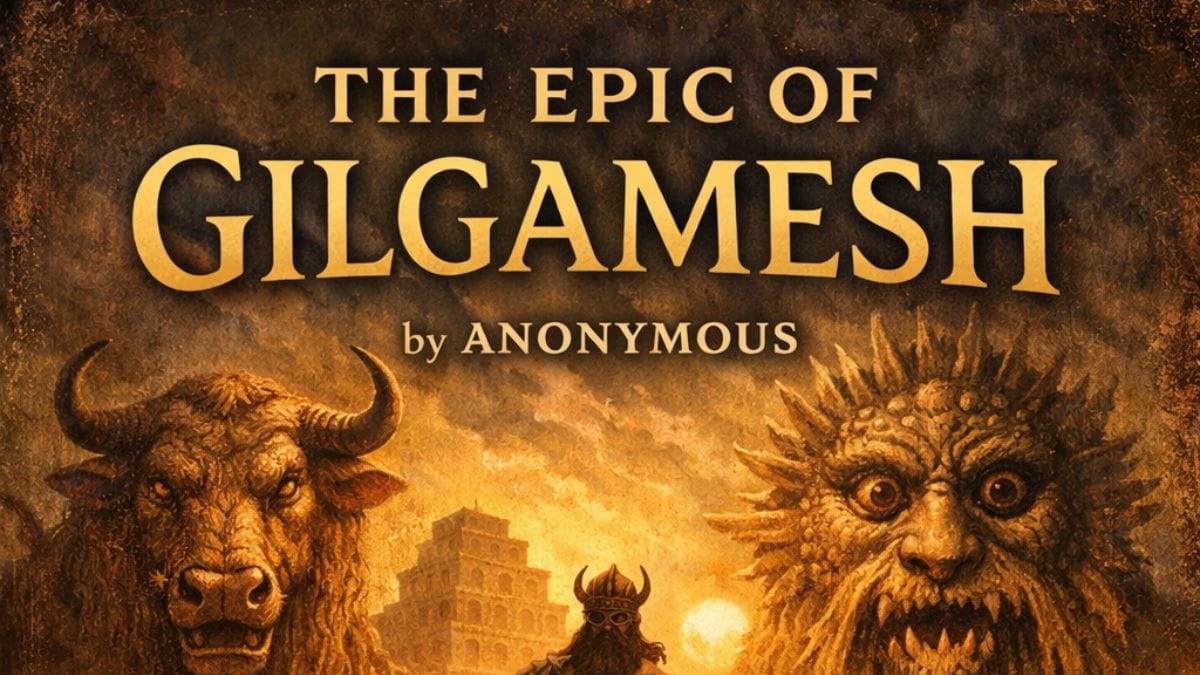
The Epic of Gilgamesh by Anonymous
One of the oldest surviving works of literature, The Epic of Gilgamesh feels startlingly intimate. Gilgamesh begins as a tyrant, becomes a friend, and ends as a seeker haunted by death. Gods appear, but they don’t solve his fear — they provoke it. This mythology classic centers on a question that still feels painfully current: what does it mean to live knowing you will die? Gilgamesh’s quest for immortality fails, but what he gains instead is understanding. The epic’s emotional power comes from its honesty; grief isn’t softened, and loss isn’t redeemed. In many ways, this ancient text anticipates later existential classics by thousands of years.
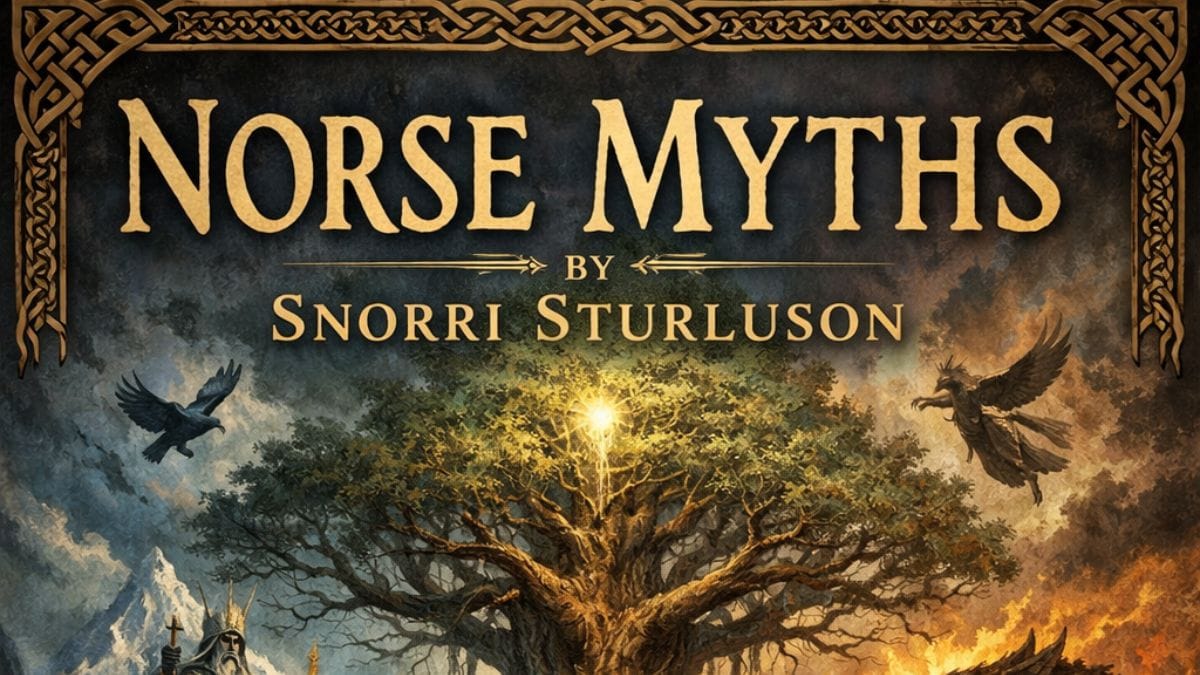
The Prose Edda (Norse Myths) by Snorri Sturluson
Norse mythology is built on the certainty of ending. The gods know Ragnarok is coming, and they act anyway. Snorri’s compilation preserves a world where humor, brutality, and fatalism coexist. Odin seeks wisdom obsessively, Thor relies on force, and Loki destabilizes everything he touches. Unlike other myth systems, there’s no illusion of eternal order here. The cosmos will fall, and that knowledge shapes every action. This mythology classic feels refreshingly unsentimental — courage matters not because it saves the world, but because it exists despite knowing it won’t. That worldview continues to influence modern storytelling far beyond ancient myth.
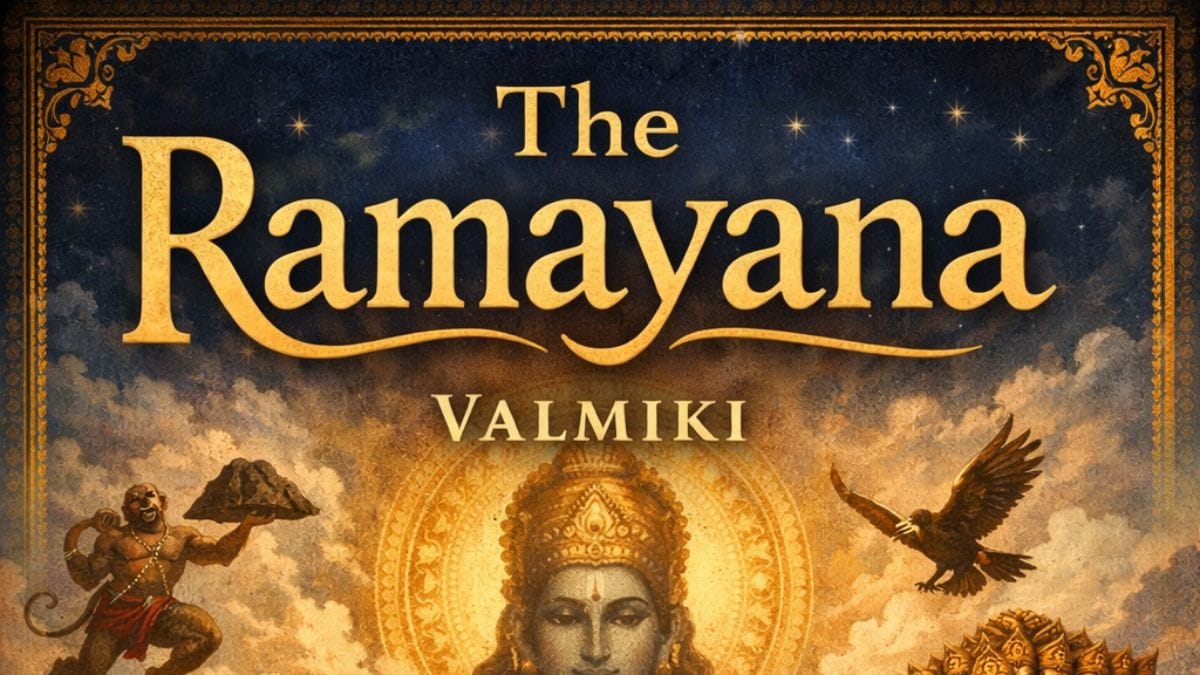
The Ramayana by Valmiki
The Ramayana weaves mythology with moral reflection. Rama is less a tragic hero and more a model of duty, restraint, and righteousness — sometimes to uncomfortable extremes. Gods walk among humans, but ethical choices carry real emotional consequences. Love, loyalty, exile, and sacrifice shape the narrative more than spectacle. This mythology classic has endured for centuries because it functions both as epic and ethical framework. Yet it’s not simplistic; tensions between duty and compassion remain unresolved. Reading it today invites reflection rather than agreement, which is why it continues to live across cultures and generations.
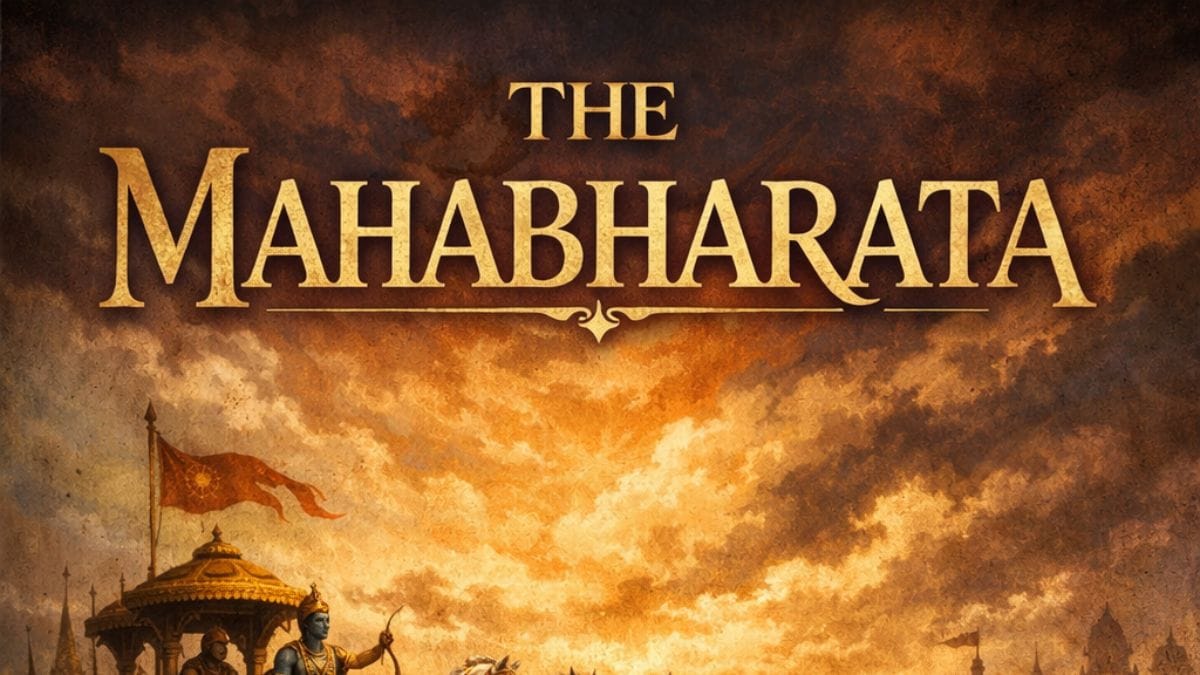
The Mahabharata by Anonymous
Vast almost beyond comprehension, The Mahabharata contains everything: war, philosophy, family betrayal, divine intervention, and moral collapse. No character escapes compromise. Even Krishna’s guidance raises troubling ethical questions. This mythology classic doesn’t divide the world into good and evil — it shows how easily righteousness fractures under pressure. At its core is a brutal war that no one truly wins. The epic’s scale mirrors the complexity of human motivation itself. Reading it feels less like finishing a book and more like emerging from a long, unsettling conversation with history, belief, and conscience.
Final Thoughts: Returning to the Old Stories
Mythology classics survive not because they comfort us, but because they refuse to. These books don’t promise clarity or progress; they offer depth. They remind us that humans have always wrestled with the same questions — power, loss, love, fate, meaning — long before modern language tried to tidy them up. Reading these myths today isn’t about nostalgia or academic obligation. It’s about reconnecting with the roots of storytelling itself, where narratives were tools for survival as much as imagination. In a world obsessed with speed and novelty, mythology invites us to slow down and sit with ambiguity. These stories don’t fade because they were never meant to belong to one era. They belong to anyone willing to listen.
Thanks for reading. If this list helped you discover something new — or rediscover something old — you’re welcome to keep exploring: