

Detective fiction has always felt like a strange, elegant game we willingly step into. A crime appears, logic is invited to dance with chaos, and for a few hundred pages, the world makes sense again. Classic detective fiction emerged at a time when faith in reason still felt intact, when puzzles promised truth and endings offered clarity. Returning to these books today feels both comforting and unsettling. Comforting, because the rules are clear. Unsettling, because our modern world rarely plays fair. Still, these stories endure. They aren’t just mysteries; they are meditations on order, intellect, and the quiet pleasure of paying attention. Below are thirteen classic detective fiction books that didn’t just entertain readers — they quietly taught us how to think, observe, and doubt.
Why Classic Detective Fiction Still Matters
Classic detective fiction rests on an almost philosophical belief: that truth exists and can be uncovered if one looks closely enough. That idea alone makes these novels feel radical today. Long before thrillers chased speed and spectacle, these stories slowed everything down. They asked readers to sit with clues, characters, and contradictions. In doing so, they became essential pillars of classic mystery novels and shaped how crime stories would be written for generations. Many emerged during the Golden Age, when structure mattered more than shock, and intellect was the hero’s sharpest weapon. These books also sit comfortably alongside other mystery and thriller classics, not because they rely on violence, but because they respect the reader’s intelligence. They remind us that suspense doesn’t need noise — just patience, curiosity, and a willingness to follow thought to its natural conclusion.
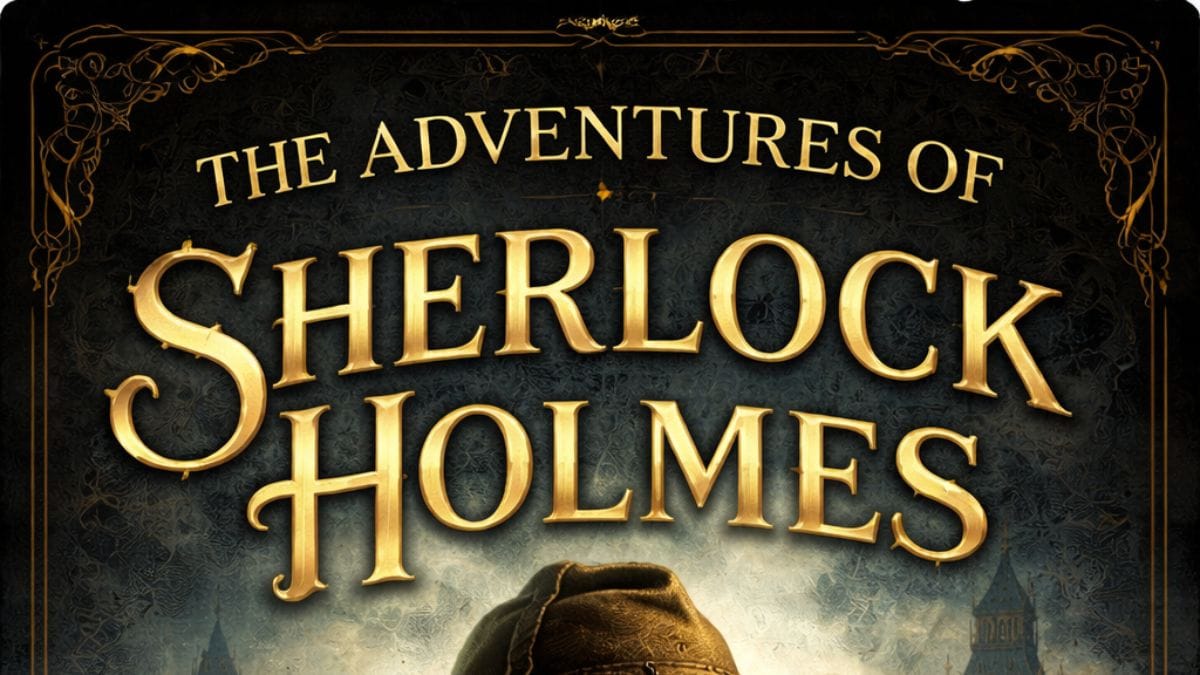
The Adventures of Sherlock Holmes by Arthur Conan Doyle
Sherlock Holmes didn’t just introduce a detective; he introduced a way of seeing. Doyle’s stories taught readers to notice the overlooked, to trust logic over impulse, and to believe that even chaos leaves patterns behind. Holmes’s razor-sharp deductions, paired with Watson’s grounded narration, created a balance that still feels modern. These stories shaped the blueprint for detective fiction classics, establishing tropes we now take for granted: the brilliant outsider, the loyal companion, and the city as a living puzzle. Reading them today feels like revisiting the source code of the genre — familiar, elegant, and quietly revolutionary.
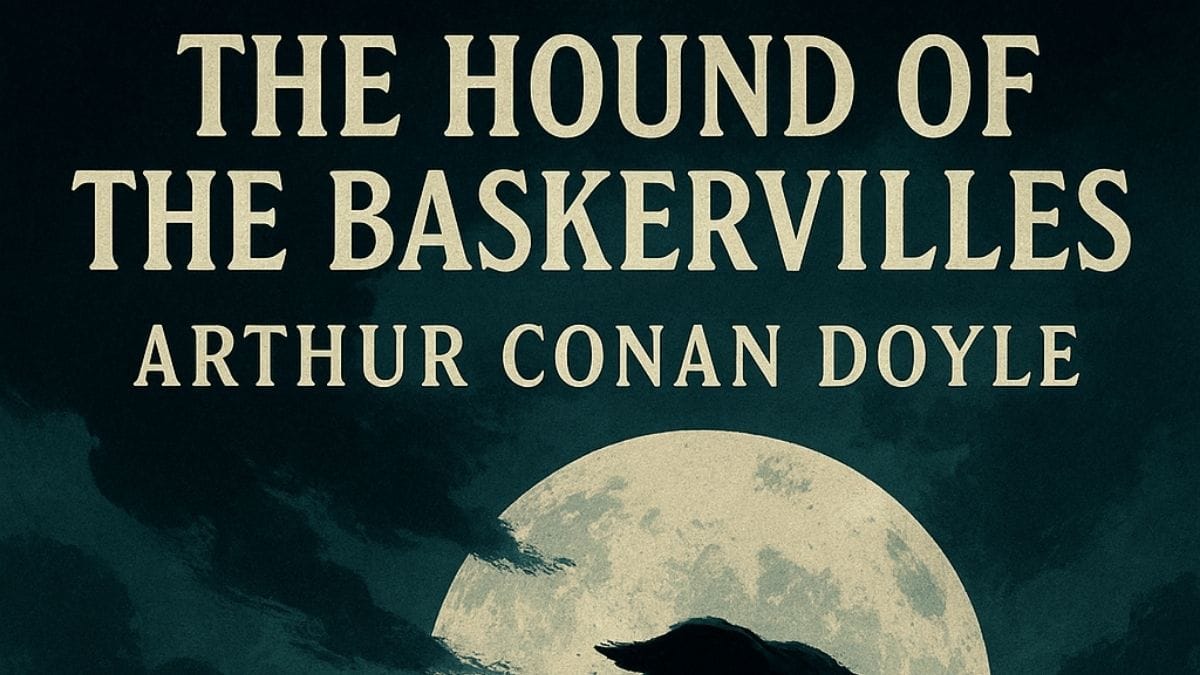
The Hound of the Baskervilles by Arthur Conan Doyle
This novel proves that classic detective fiction can flirt with fear without abandoning reason. Gothic atmosphere, foggy moors, and whispers of supernatural terror threaten to overwhelm logic, yet Holmes remains firmly anchored in evidence. The tension between superstition and rationality is what makes the story linger. It’s a reminder that detective fiction doesn’t deny human fear; it simply refuses to surrender to it. That balance connects this novel loosely to gothic classics, while still standing firmly in the world of deduction and proof.
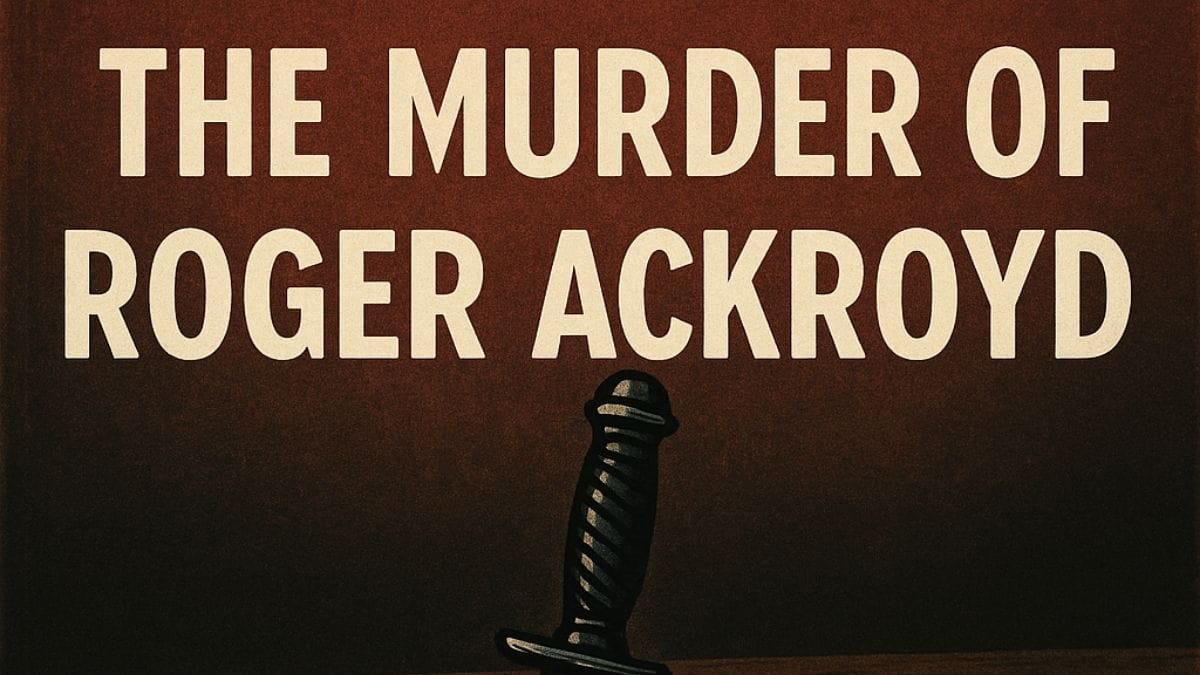
The Murder of Roger Ackroyd by Agatha Christie
Few books in classic detective fiction feel as quietly disruptive as this one. Christie didn’t just write a mystery; she rewired reader expectations. The novel plays fair and unfair at the same time, daring readers to question their own assumptions about narration and truth. It’s a bold reminder that structure itself can be a clue. Long after the final page, the story continues to echo — not because of the crime, but because of how cleverly we were led astray.
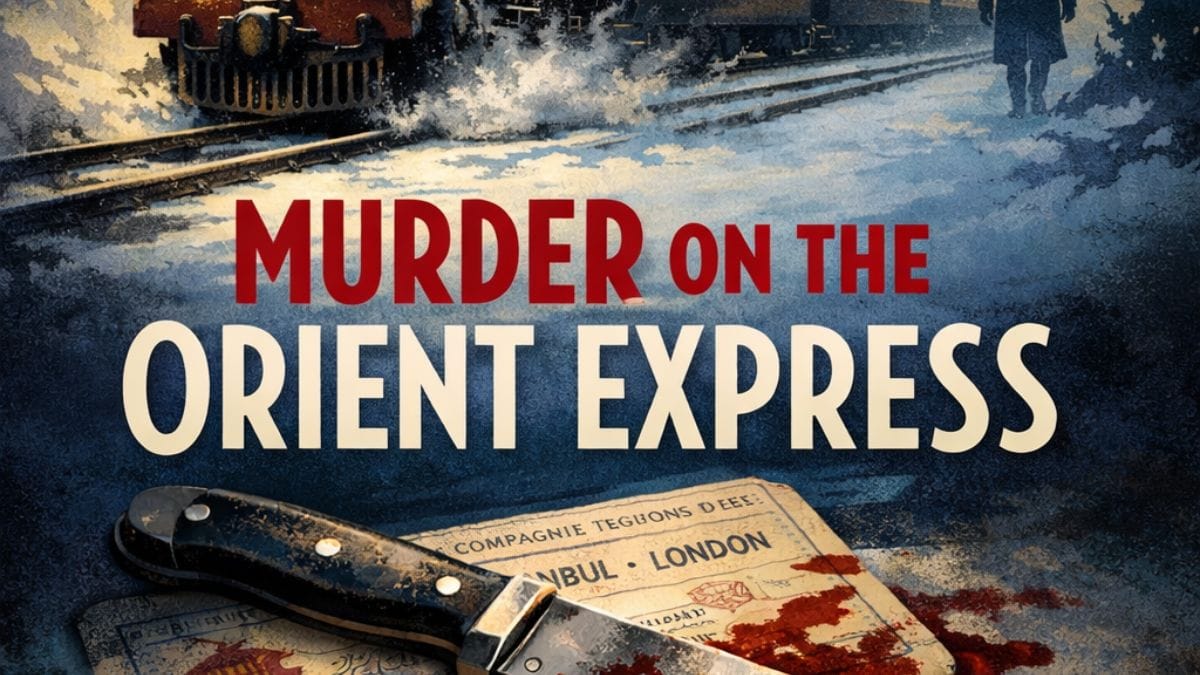
Murder on the Orient Express by Agatha Christie
Set within the confined luxury of a train, this novel transforms isolation into moral tension. Poirot’s investigation is meticulous, but the real weight of the story lies in its ending — one that challenges the idea of justice itself. Christie forces readers to sit with ambiguity, suggesting that truth and morality don’t always align neatly. Among classic crime fiction, this book stands out for its emotional intelligence as much as its clever plotting.
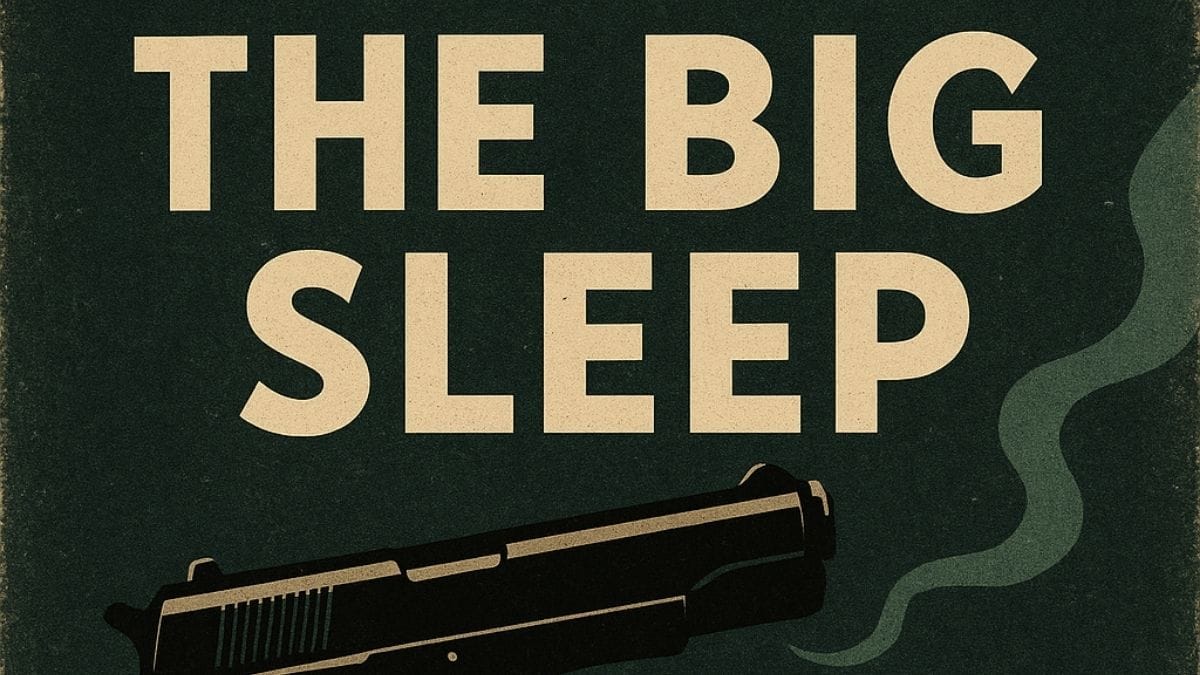
The Big Sleep by Raymond Chandler
With Philip Marlowe, detective fiction took a sharp turn toward cynicism. Chandler’s prose is hard, witty, and soaked in disillusionment. The mystery almost becomes secondary to mood, voice, and moral exhaustion. Yet beneath the toughness lies a strict personal code. This novel bridges classic detective fiction and modern crime, showing how the genre could evolve without losing its soul.
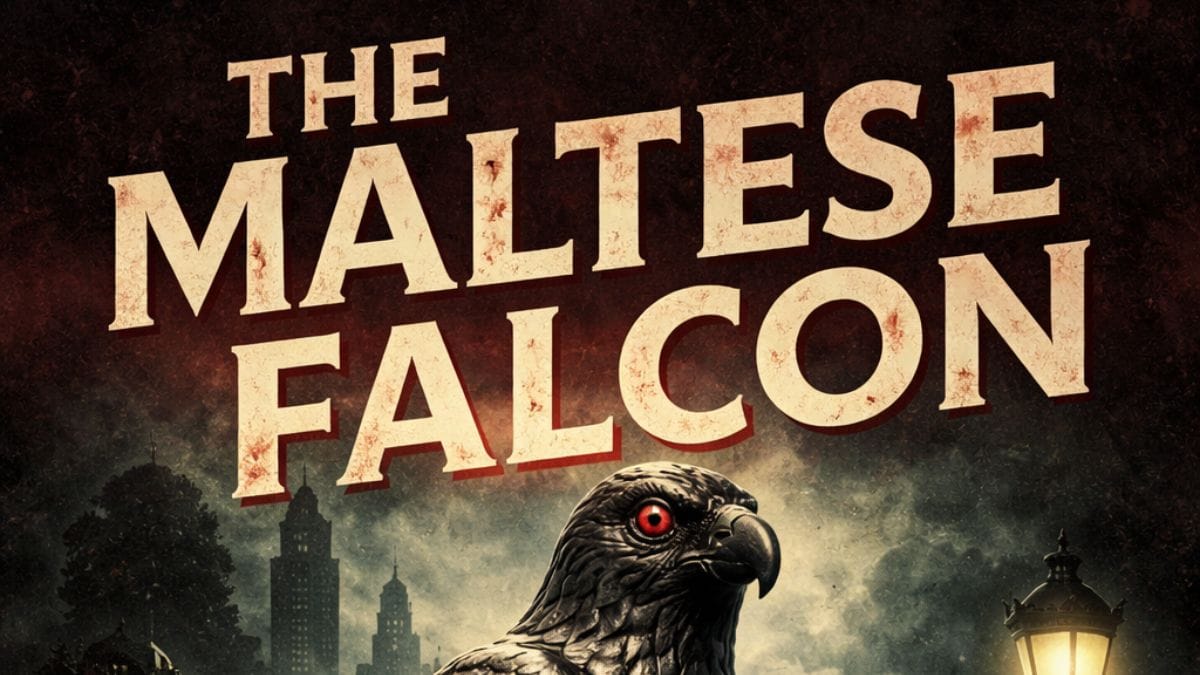
The Maltese Falcon by Dashiell Hammett
Hammett stripped detective fiction down to its bones. No elegant puzzles, no comforting resolutions — just greed, betrayal, and relentless momentum. Sam Spade operates in a world where truth exists, but innocence doesn’t. The novel’s influence on classic detective novels is immense, proving that realism and moral ambiguity could coexist with tight plotting and unforgettable characters.
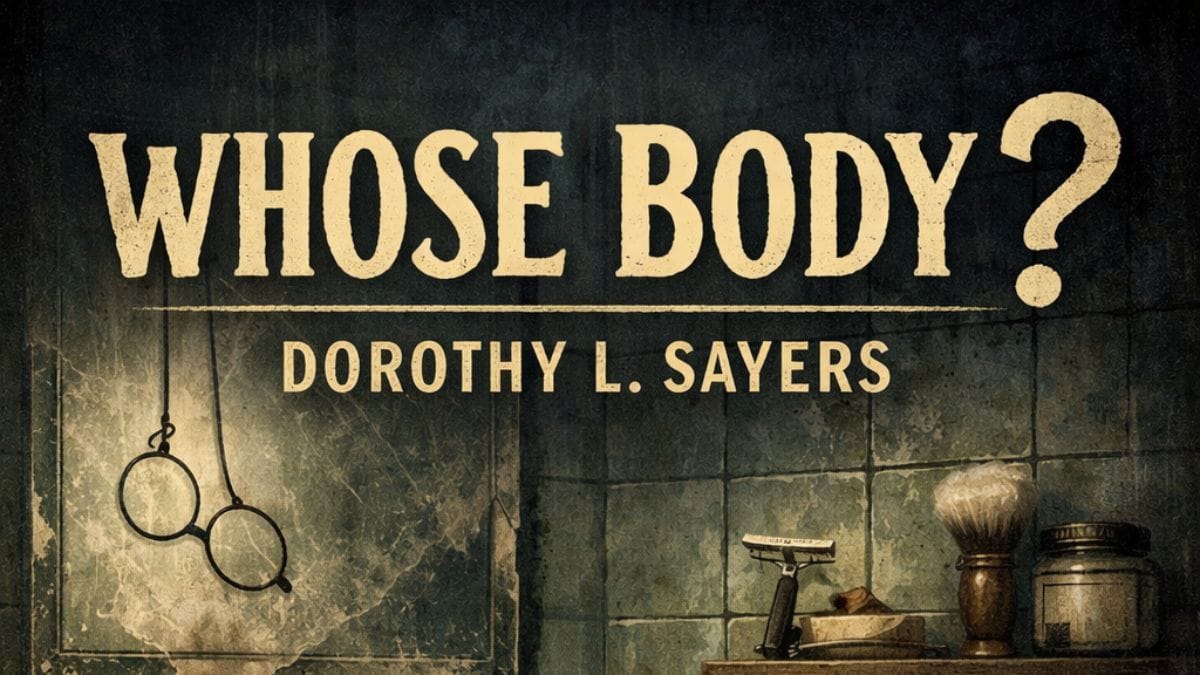
Whose Body? by Dorothy L. Sayers
Lord Peter Wimsey enters the genre with charm, wit, and unexpected depth. Beneath the aristocratic humor lies a sharp intellect and a growing awareness of moral consequence. Sayers elevated detective fiction by insisting that intelligence and emotion could share the same space. Her work naturally appeals to readers drawn to must-read classic books that reward both thought and empathy.
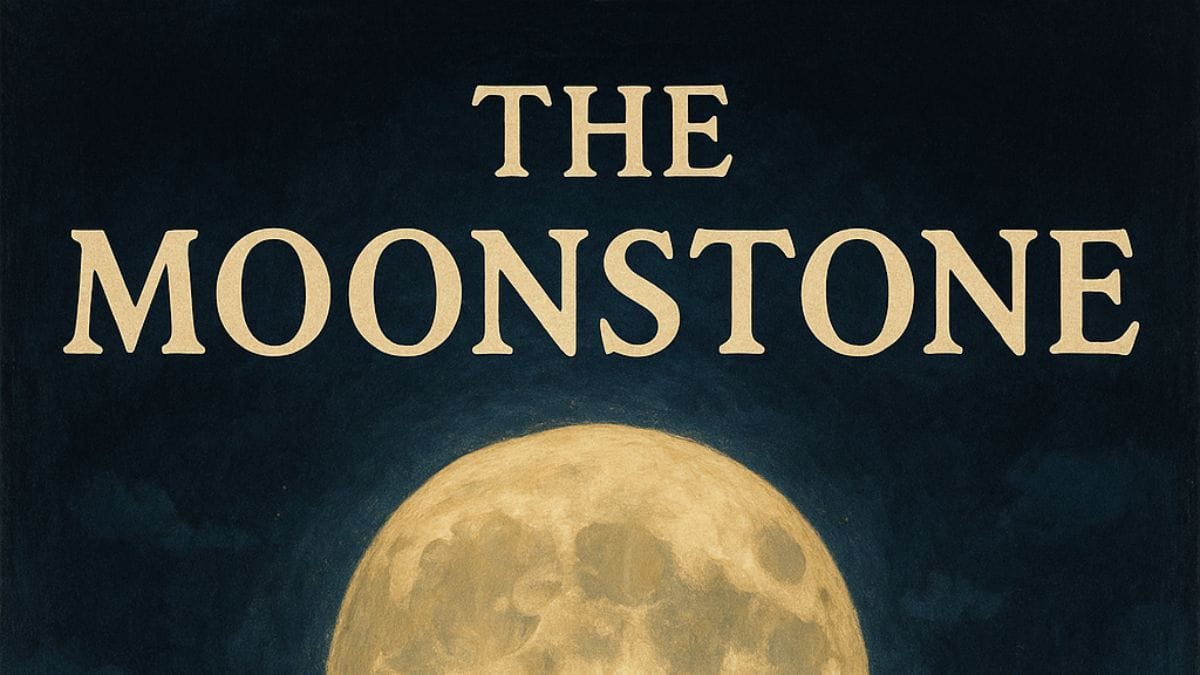
The Moonstone by Wilkie Collins
Often called the first modern detective novel, this book feels surprisingly experimental. Multiple narrators, shifting perspectives, and psychological depth give the mystery a layered richness. Collins wasn’t just interested in solving a crime; he was fascinated by how truth fractures when filtered through human perception. The result is a foundational work of classic detective fiction that still feels intellectually alive.
The Woman in White by Wilkie Collins
Here, mystery blends seamlessly with identity, secrecy, and social constraint. The investigation unfolds slowly, almost conversationally, as if the story itself is thinking aloud. Collins understood that suspense doesn’t require speed — only careful accumulation. The novel’s psychological undercurrents connect it subtly to psychological classics, even as it remains rooted in detective tradition.

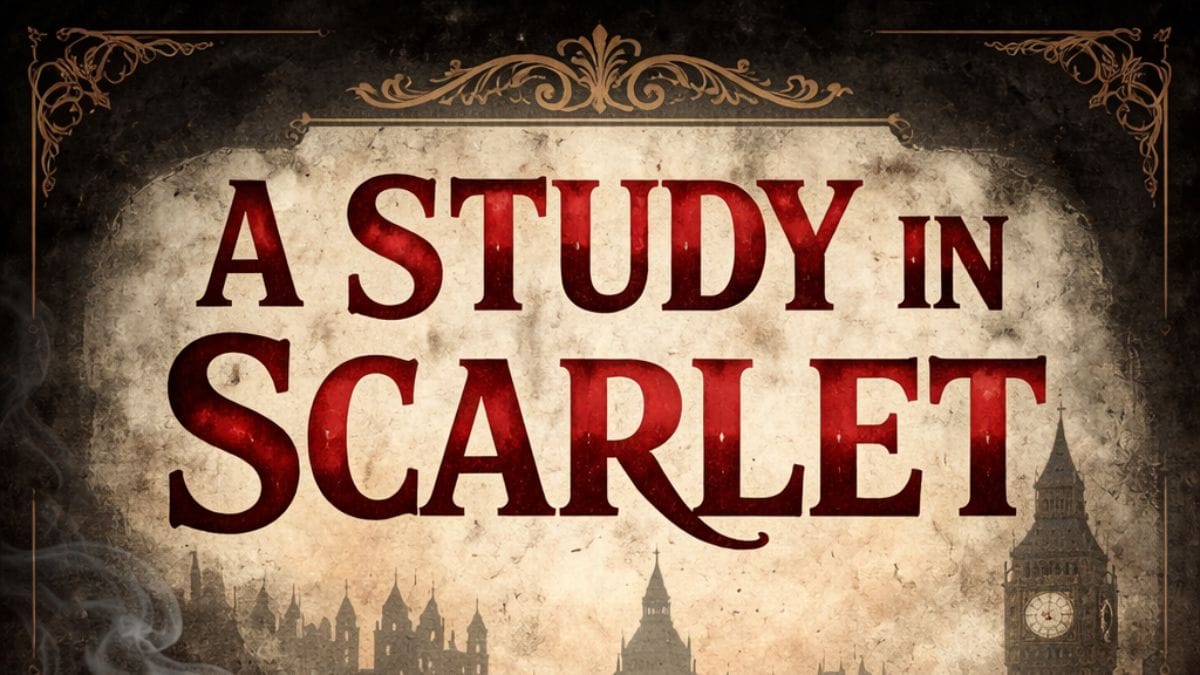
A Study in Scarlet by Arthur Conan Doyle
This is where Holmes begins, but it’s also where detective fiction finds its modern voice. The novel introduces deduction not as magic, but as disciplined thought. Even when the narrative wanders, the core idea remains powerful: observation is an ethical act. Paying attention matters. That lesson echoes through every detective story that followed.
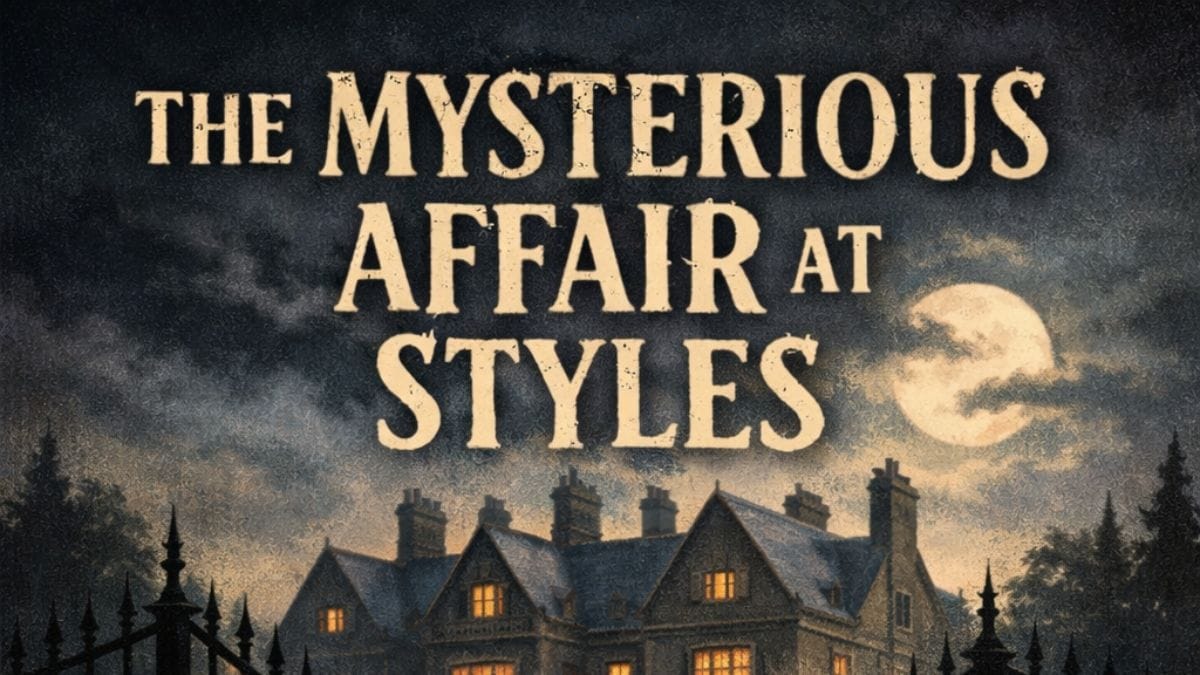
The Mysterious Affair at Styles by Agatha Christie
Christie’s debut is deceptively calm. Poirot appears unassuming, almost comical, yet his methodical approach dismantles every assumption. The novel is a masterclass in fairness — all clues are present, all misdirection earned. It set the tone for classic detective fiction books that respect the reader’s intelligence without ever showing off.
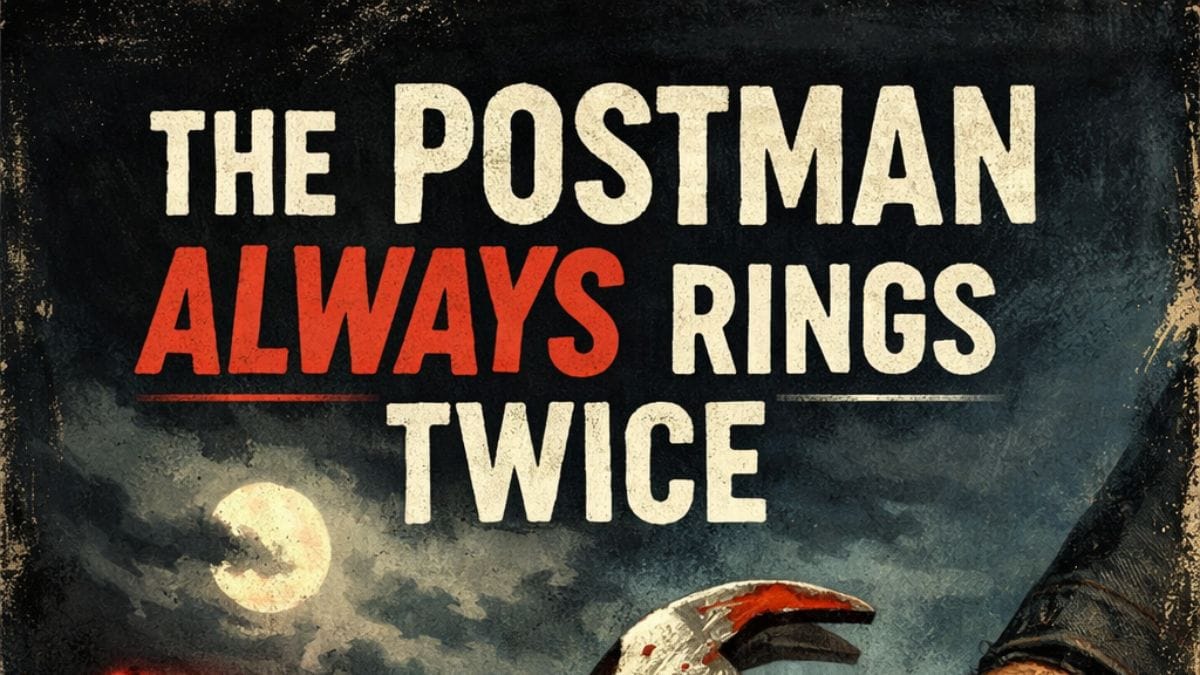
The Postman Always Rings Twice by James M. Cain
Though often classified as crime fiction, this novel earns its place here through its raw examination of guilt and inevitability. There is no clever detective, only the slow unraveling of consequence. Cain’s stripped-down style shows how detective fiction could evolve into something darker, more existential, brushing against themes found in existential classics without abandoning narrative tension.
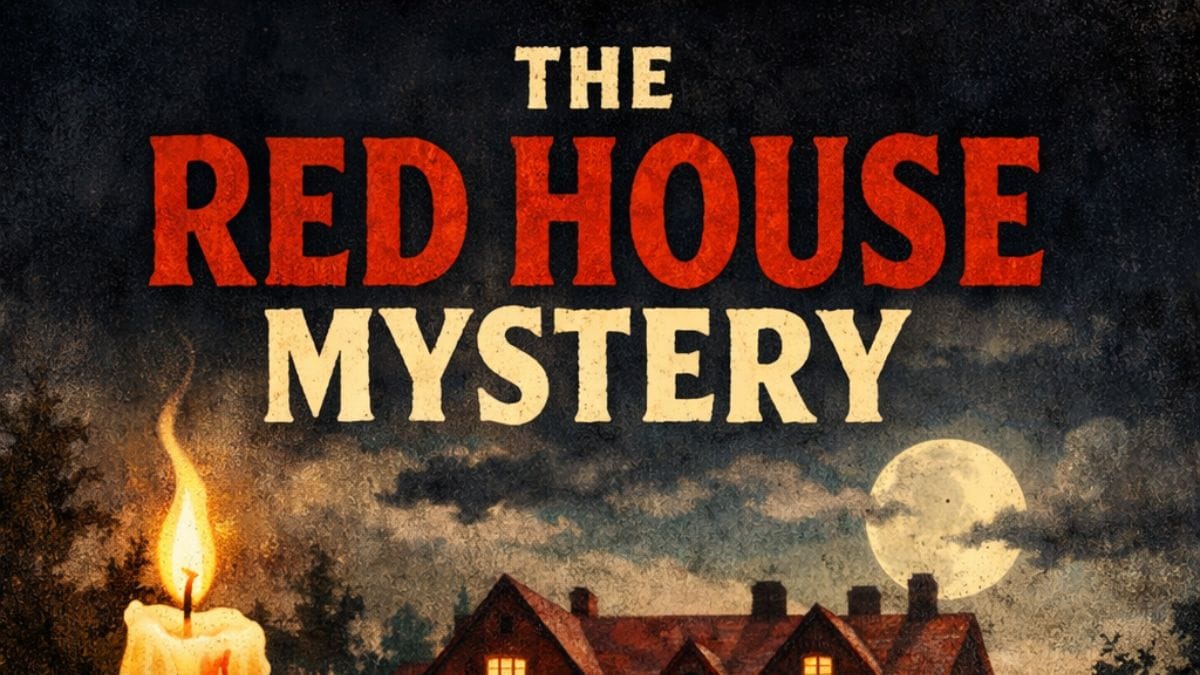
The Red House Mystery by A. A. Milne
Yes, the creator of Winnie-the-Pooh wrote a detective novel — and it’s delightful. Playful, self-aware, and sharply constructed, this book celebrates the joy of puzzles for their own sake. It’s a reminder that classic detective fiction doesn’t have to be grim to be intelligent. Sometimes, thinking is simply fun.
What These Books Leave Us With
Taken together, these thirteen books reveal why classic detective fiction refuses to fade. They weren’t chasing trends; they were exploring a belief system — that logic matters, that truth can be uncovered, and that paying attention is a moral act. Each novel approaches mystery differently: some with elegance, others with brutality, others with quiet humor. Yet all of them insist on one thing — that the mind is the true protagonist. In a literary world increasingly drawn to spectacle, these stories remain grounded, thoughtful, and strangely comforting. They remind us that while the world may be messy, thinking clearly is still possible. And perhaps that’s why we keep returning to them — not just to solve the crime, but to remember how it feels when the pieces finally, beautifully, fall into place.
Thanks for reading. If this list helped you discover something new — or rediscover something old — you’re welcome to keep exploring: