

AI has become one of those subjects that is somehow everywhere and nowhere at the same time. Everyone is talking about it, but much of the conversation feels either too breathless or too doomed. One side says the future will be magical. Another side says the future has already been cancelled. Most people are left somewhere in the middle, trying to understand what is actually happening without turning their brain into a newsfeed. This AI reading list is for that middle place. It is not a technical syllabus, and it is not a shelf of dystopian classics dressed up as prophecy. It is a 10-book reading path for staying sane in the age of AI: calmer, sharper, more human, and less easy to push around.
How to Use This AI Reading List
The best books about AI are not always the books that explain models, tokens, or code. Some do that, and we need them. But if the real problem is how to live with artificial intelligence without losing judgment, attention, agency, or basic trust in your own mind, then the reading path has to be wider. It has to include AI ethics books, books about AI and society, books about algorithms and power, and books about focus in a world that keeps becoming more automated and more distracting. Read in this order, these books move from practical contact with AI to deeper questions of risk, governance, data, attention, and human finitude. The point is not to become an expert overnight. The point is to stop being helplessly impressed or helplessly afraid.
Co-Intelligence by Ethan Mollick
This is probably the cleanest place to begin, especially for non-technical readers. Mollick does not write as if AI is magic, and he does not write as if it is just another boring software update either. He treats it as a strange new collaborator: useful, unreliable, powerful, and easy to misunderstand. That tone matters. A lot of AI anxiety comes from distance. The thing becomes enormous because we only meet it through headlines, screenshots, and dramatic predictions. Co-Intelligence brings the subject down to the level of practice. What can these systems do? Where do they fail? How should a normal person experiment without outsourcing their own judgment? It is one of the best AI books for moving from panic to contact.

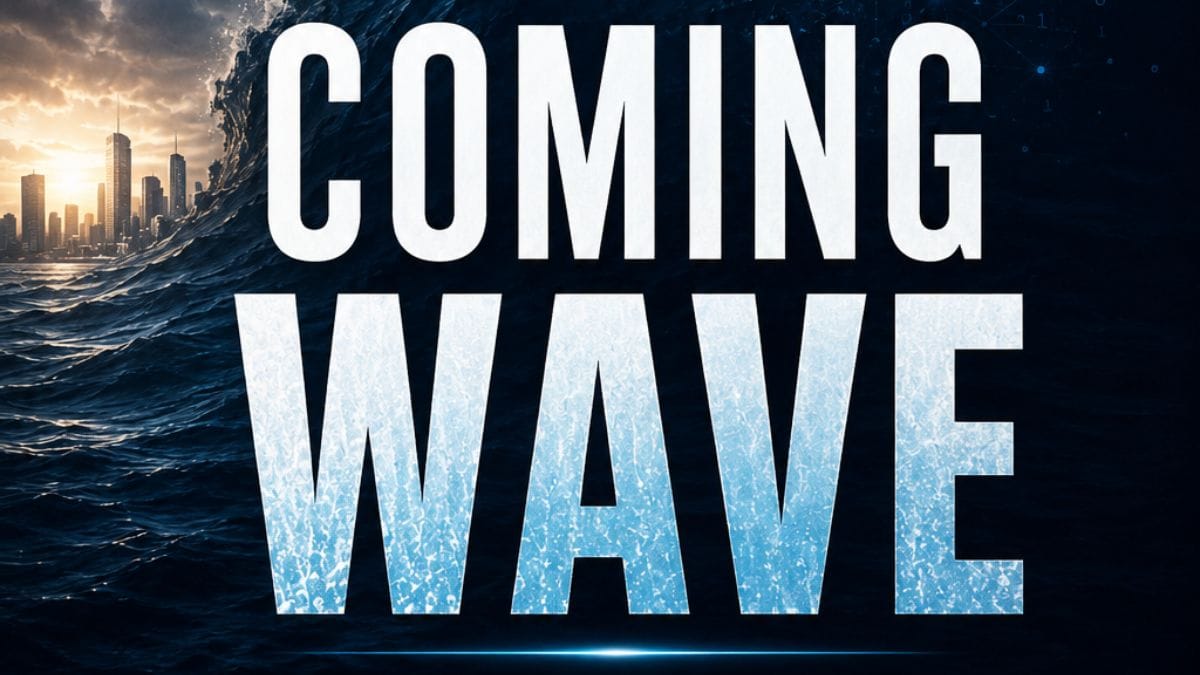
The Coming Wave by Mustafa Suleyman with Michael Bhaskar
The Coming Wave is useful because it widens the frame. AI is not arriving alone. It is part of a broader technological surge involving synthetic biology, robotics, automation, and systems that may become difficult for governments, companies, and ordinary people to contain. Suleyman writes from inside the industry, which gives the book a different texture from outside criticism. You may not agree with every conclusion, but that is part of the value. The book helps explain why the age of AI feels so unstable: not because one chatbot appeared, but because many powerful systems are maturing at once. For a reading list for the age of AI, this is the book that makes the room feel larger, and maybe a little more serious.
Human Compatible by Stuart Russell
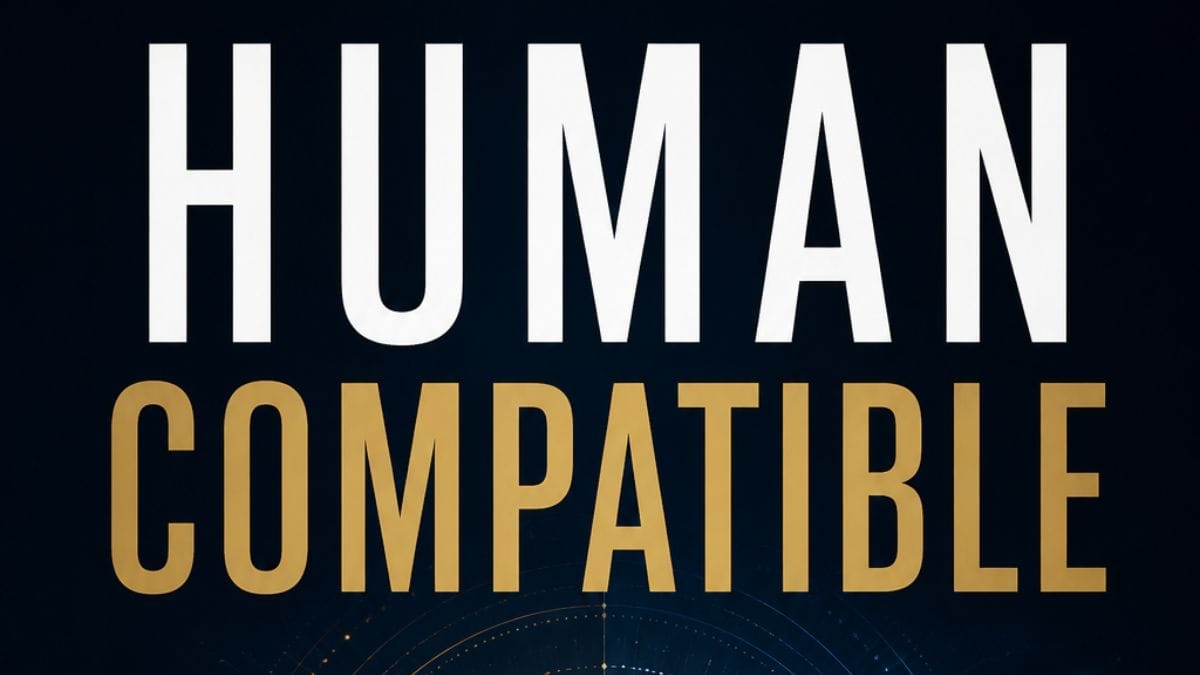
Human Compatible belongs here because it asks the question underneath almost every nervous conversation about AI: what happens if we build systems that are very good at achieving goals, but not very good at understanding what humans actually value? Russell does not turn the question into cheap science fiction. He treats it as a design problem, a governance problem, and in some ways an old human problem too. The book sits comfortably beside philosophy classics because it is really about ends, means, uncertainty, and humility. For readers looking for books about AI risk without the online melodrama, this is one of the most grounded options. It makes the danger feel intellectually serious rather than merely cinematic.
The Alignment Problem by Brian Christian
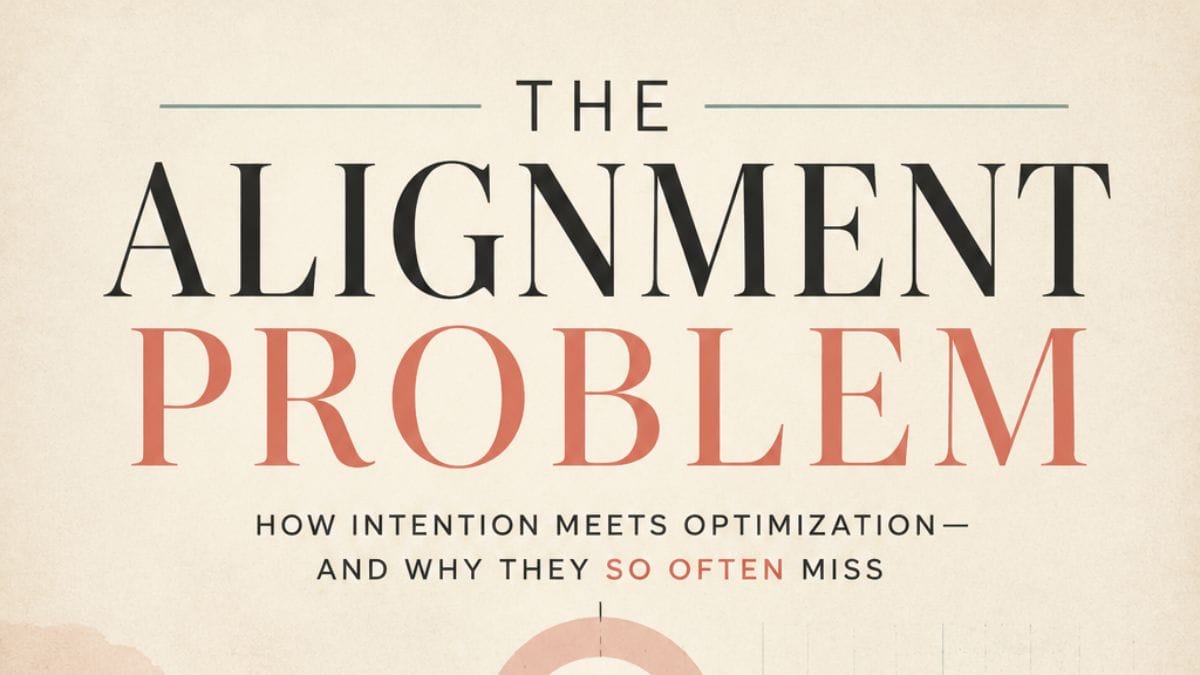
Brian Christian has a gift for making technical problems feel human without making them shallow. The Alignment Problem is about machine learning, yes, but it is also about bias, reward, language, classification, and the long strange history of trying to teach machines what we mean. That is why the book works so well in this path. It shows that AI does not simply “think” in some neutral cloud above society. It learns from data, incentives, categories, and human mess. The result is not only a book about artificial intelligence for non technical readers, but also a book about the difficulty of translating values into systems. After reading it, “make AI safe” sounds less like a slogan and more like a very hard cultural task.
Atlas of AI by Kate Crawford
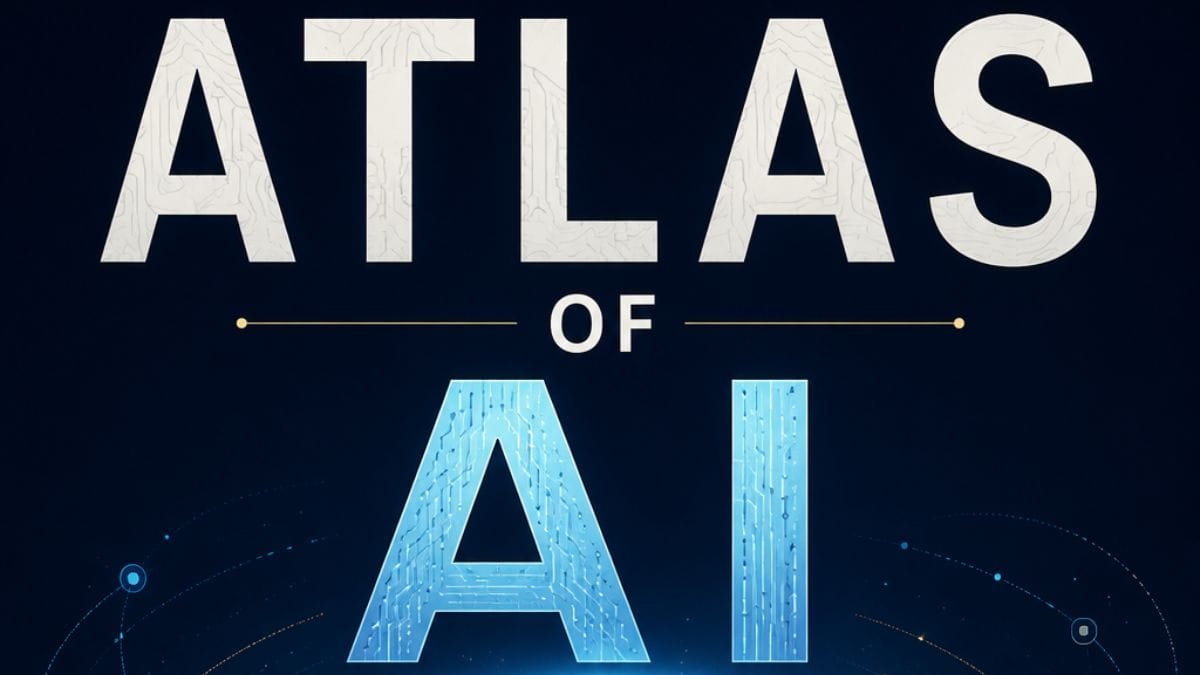
Atlas of AI is the book to read when AI starts to look too clean. Crawford pulls the subject away from sleek demos and puts it back into the world: mines, servers, labor, classification systems, military history, and concentrated power. This is one of the strongest books about AI and society because it refuses the fantasy that artificial intelligence is only an abstract mind floating above material life. It is built somewhere. It uses energy. It depends on workers. It sorts people. It belongs to institutions. That is why it connects naturally with political classics, even though it is a contemporary technology book. It reminds the reader that sanity also means asking who benefits, who pays, and who gets named as progress.
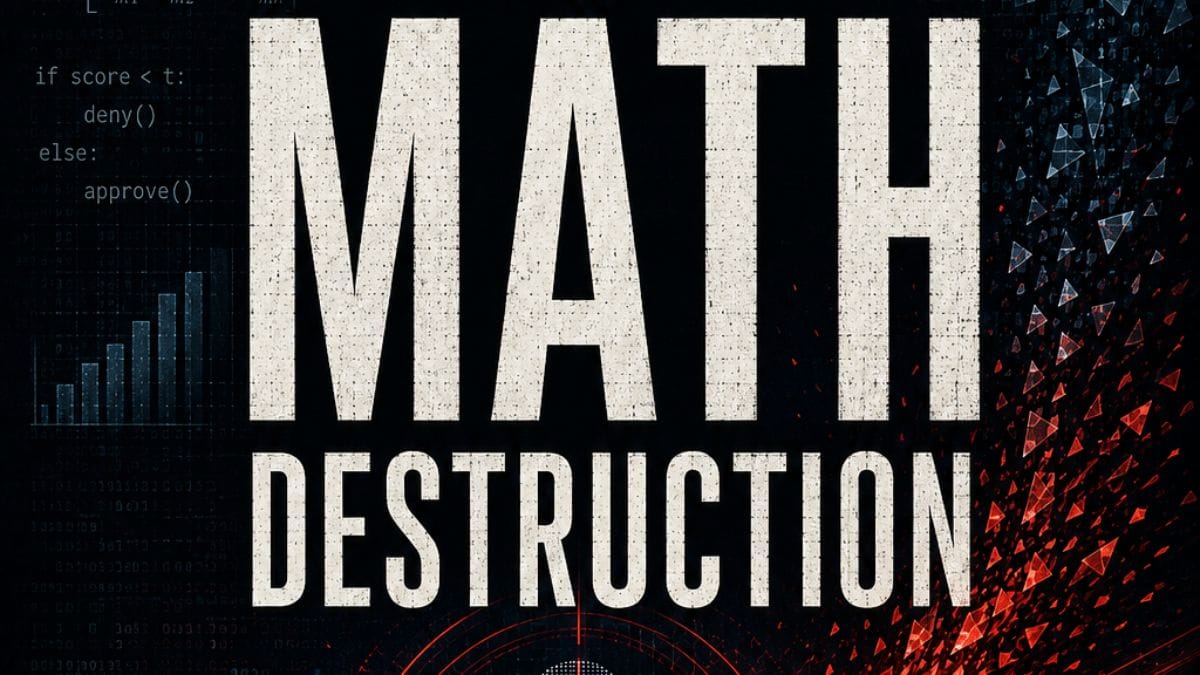
Weapons of Math Destruction by Cathy O’Neil
Weapons of Math Destruction was published before the current generative AI boom, but it may be even more useful now because it teaches a durable habit of suspicion. O’Neil is interested in models that look objective from the outside while quietly punishing people at scale. Credit, hiring, policing, education, insurance: the examples show how automated judgment can become harmful when it is opaque, unaccountable, and treated as neutral. This is not exactly an AI book in the narrowest sense, but it is essential for understanding algorithms and society. It helps readers notice when “the system says” becomes a way of avoiding responsibility. In an age of AI, that may be one of the most important sanity-preserving instincts.
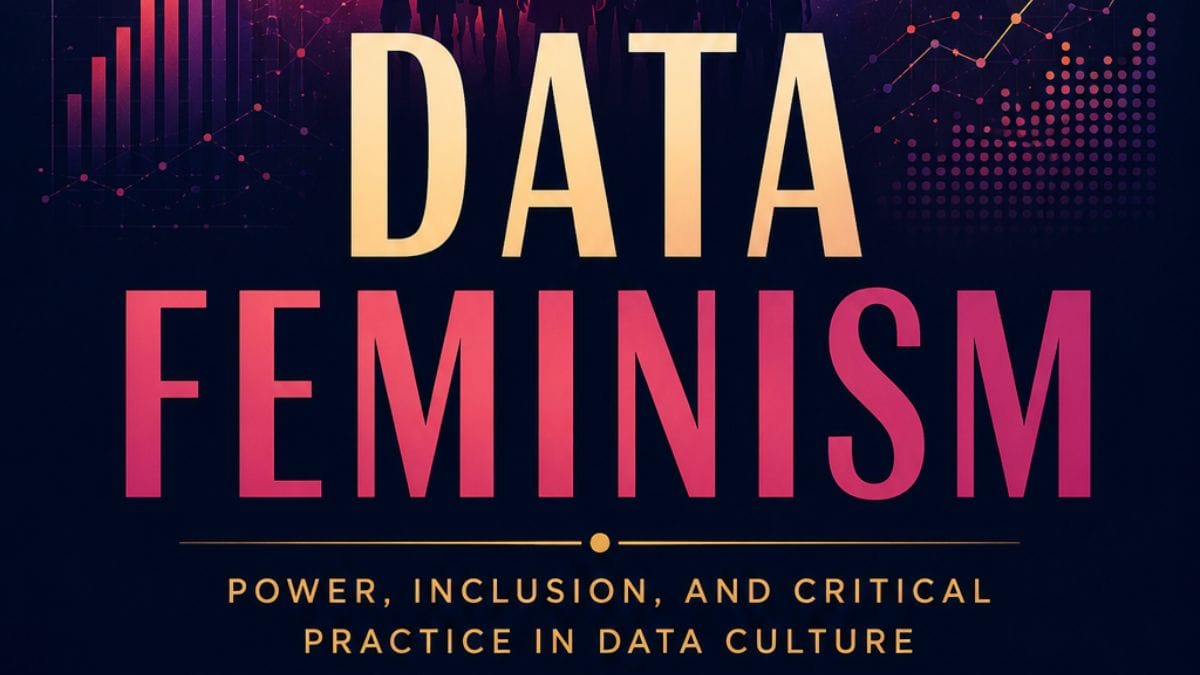
Data Feminism by Catherine D’Ignazio and Lauren F. Klein
Data Feminism expands the reading path because it asks readers to look at data not as a natural resource, but as something made inside unequal worlds. D’Ignazio and Klein show how data can reveal injustice, but also how it can reproduce blind spots when the people collecting, labeling, interpreting, and using it do not ask enough questions about power. This matters for AI because artificial intelligence feeds on data, and data carries histories with it. The book is clear, generous, and practical without becoming bland. It is a good reminder that human-centered AI is not only about making interfaces friendlier. It is about asking whose knowledge counts, whose pain becomes visible, and whose life gets converted into a metric.
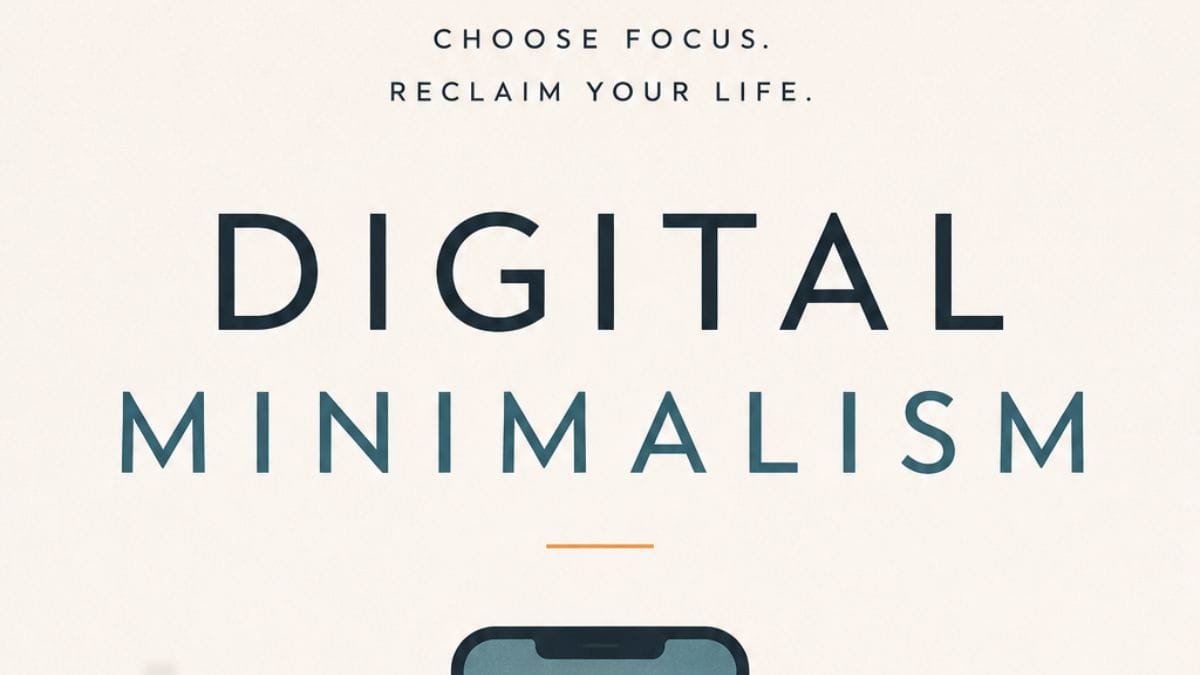
Digital Minimalism by Cal Newport
After several books about systems, power, and risk, Digital Minimalism brings the reading path back to the daily nervous system. Newport’s subject is not AI in the strict sense, but it belongs here because the age of AI is also the age of feeds, notifications, endless tools, and a permanent invitation to fracture attention. The book is not asking you to move to a cabin or become pure. Its more useful claim is that technology should have a job, and that job should be chosen consciously. For anyone searching for books about focus and attention, this is the practical reset. It gives language to a feeling many people already have: that the problem is not using technology, but being used by it all day.
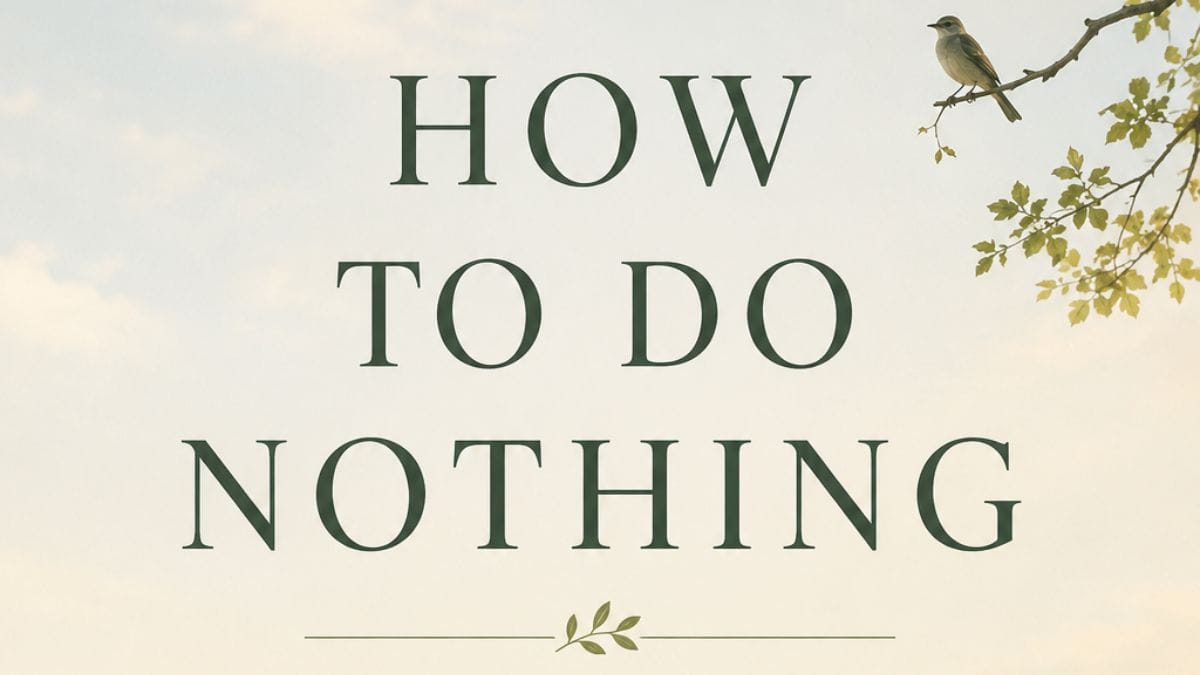
How to Do Nothing by Jenny Odell
Jenny Odell’s book is easy to misunderstand from the title. How to Do Nothing is not really about laziness. It is about refusing the conversion of every moment, thought, walk, hobby, friendship, and perception into productivity or content. That makes it strangely relevant to AI. The more machines accelerate work, summarization, recommendation, and production, the more tempting it becomes to measure human life by output alone. Odell pushes in the opposite direction. She asks for attention, place, ecology, refusal, and forms of presence that do not scale neatly. If Digital Minimalism is the practical detox, this is the deeper cultural and psychological companion. It is a book for protecting the part of the self that cannot be optimized.
Four Thousand Weeks by Oliver Burkeman
Four Thousand Weeks is not an AI book, which is exactly why it belongs at the end. Burkeman begins from the awkward fact that a human life is short, limited, and impossible to optimize into total control. In the age of AI, that thought becomes even more necessary. The machines will get faster. The feeds will get sharper. The tools will promise to save time, and then somehow produce even more things to manage. This book cuts through that loop. It belongs beside existential classics because it returns the reader to mortality, choice, patience, and enoughness. If the rest of the list helps you understand artificial intelligence, this one helps you remember that understanding everything is not the goal. Living is.

The Point Is Not to Master AI. The Point Is to Stay Human.
A good AI reading list should not leave you merely better informed. Information is everywhere now, and that is part of the problem. The more useful gift is orientation. These ten books work together because they do not treat artificial intelligence as one simple thing. They approach it as a tool, a market force, a political project, a design challenge, a data problem, an attention problem, and finally a human problem. That is also why this is a reading path rather than a pile of recommendations. Start with practical contact, then move into risk and alignment, then into power and data, then back into attention, agency, and time. Read this way, the age of AI becomes less like weather and more like a landscape. Still dangerous in places, still confusing, still bigger than any one reader. But not completely formless. And once something has form, you can move through it with a little more sanity.
Thanks for reading. If this list helped you discover something new — or rediscover something old — you’re welcome to keep exploring: