Virginia Woolf has a reputation for being brilliant, original, and slightly intimidating. That reputation is not wrong, but it can also keep readers away from one of the most rewarding voices in modern literature. Her books are deeply observant, emotionally subtle, and often far more readable than people expect. If you have ever wondered where to start with Virginia Woolf, the answer is not to force your way through her entire body of work at once. It is better to begin with a small, carefully chosen list. These five books show her range, her style, and the strange intimacy that makes her one of the defining authors of modern classics.
Where to Start With Virginia Woolf
The best Virginia Woolf books to start with are not always the most difficult or the most famous in the abstract. They are the ones that let you hear her voice clearly and feel what makes her different from almost everyone else. Woolf was interested less in dramatic plot than in consciousness itself: passing thoughts, hidden disappointments, private desires, and the way a single day can hold a whole lifetime of feeling. That may sound demanding, but it is also what makes her work so alive. If you are new to her, the ideal entry points are books that balance her modernist style with emotional clarity. The five below do exactly that. They offer a strong introduction to Virginia Woolf for beginners while still showing why her work remains essential, intimate, and startlingly fresh.
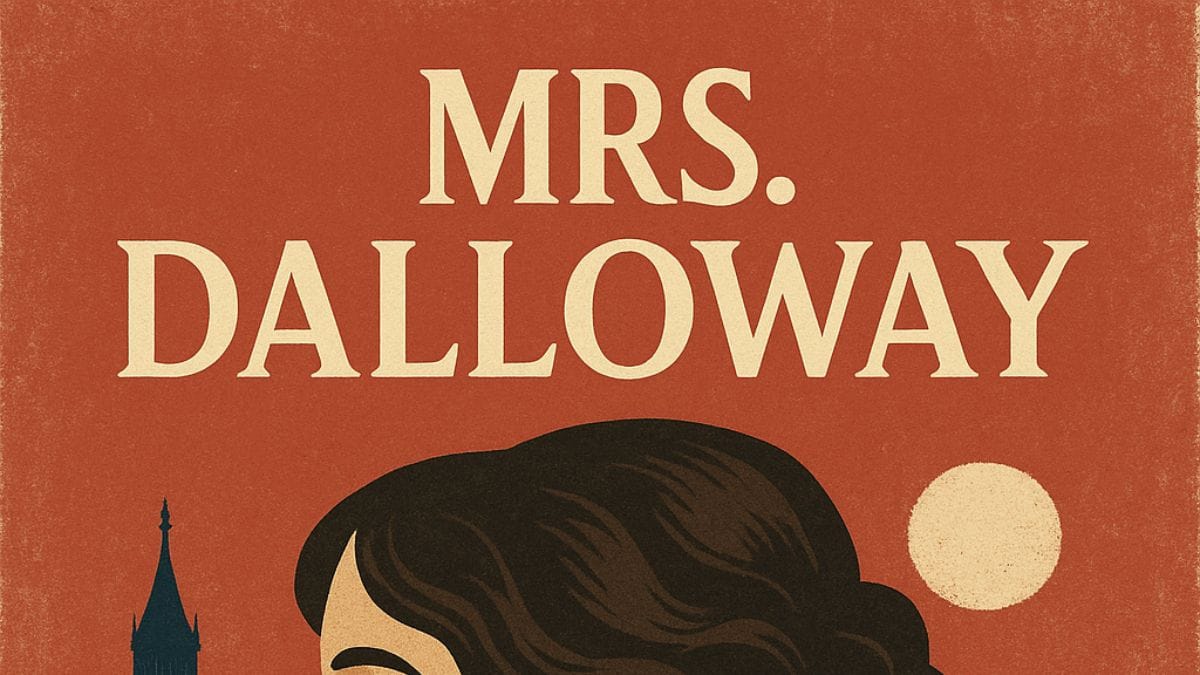
Mrs Dalloway by Virginia Woolf
If you want the most natural place to begin, Mrs Dalloway is probably it. The novel follows Clarissa Dalloway through a single day in London as she prepares for a party, yet that simple frame opens into memory, regret, desire, class, marriage, aging, and the invisible pressure of social performance. Woolf moves in and out of minds with such quiet grace that the city itself begins to feel like a living consciousness. This is one of the best books by Virginia Woolf because it gives you her signature style without shutting you out. It is reflective, elegant, and emotionally precise, and it also belongs among the great psychological classics for the way it captures inner life with almost unsettling honesty. If you are looking for Virginia Woolf books to start with, this is the easiest way in.
To the Lighthouse by Virginia Woolf
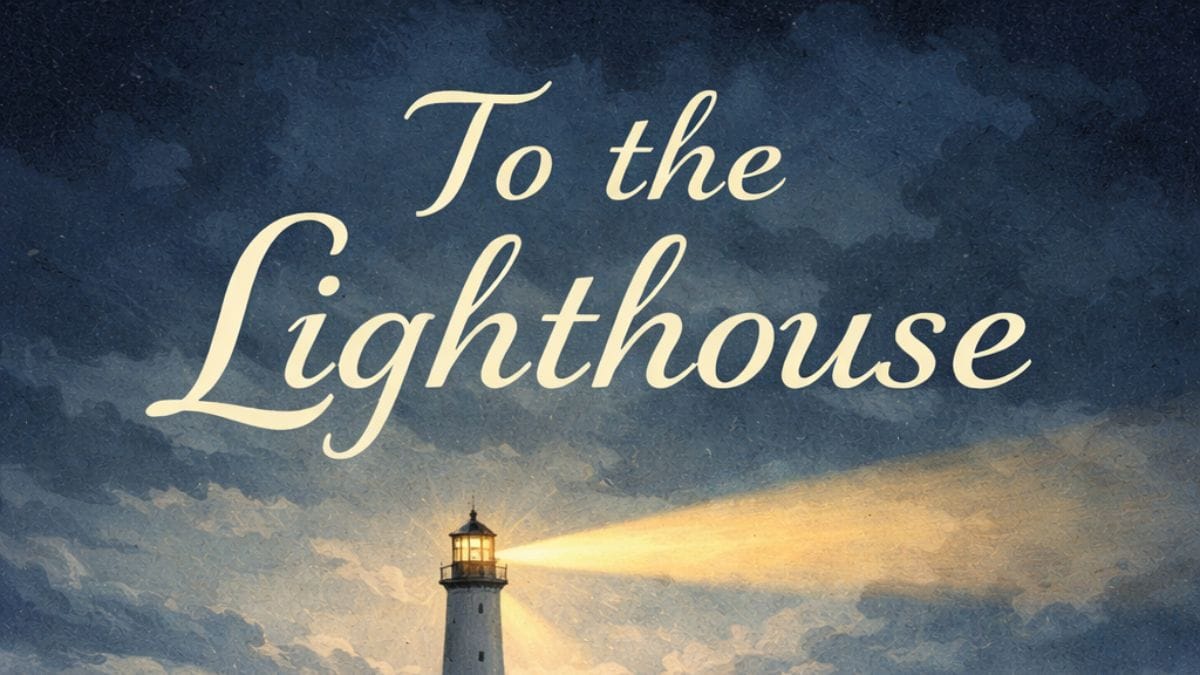
To the Lighthouse is often described as Woolf’s masterpiece, and once you read it, that judgment feels less like praise and more like simple fact. The novel centers on the Ramsay family and their visits to a summer house, but the real subject is time: how it gathers around ordinary moments, how it alters people without asking permission, and how love survives in fragments rather than certainties. There is grief here, and beauty, and a silence that somehow says more than dialogue could. For readers exploring the best Virginia Woolf books, this one may feel slightly more demanding than Mrs Dalloway, yet it rewards patience almost immediately. It is also an excellent next step for readers who enjoy classic books for beginners and want to move toward something richer without losing emotional access. Few novels make domestic life feel so vast.
A Room of One’s Own by Virginia Woolf
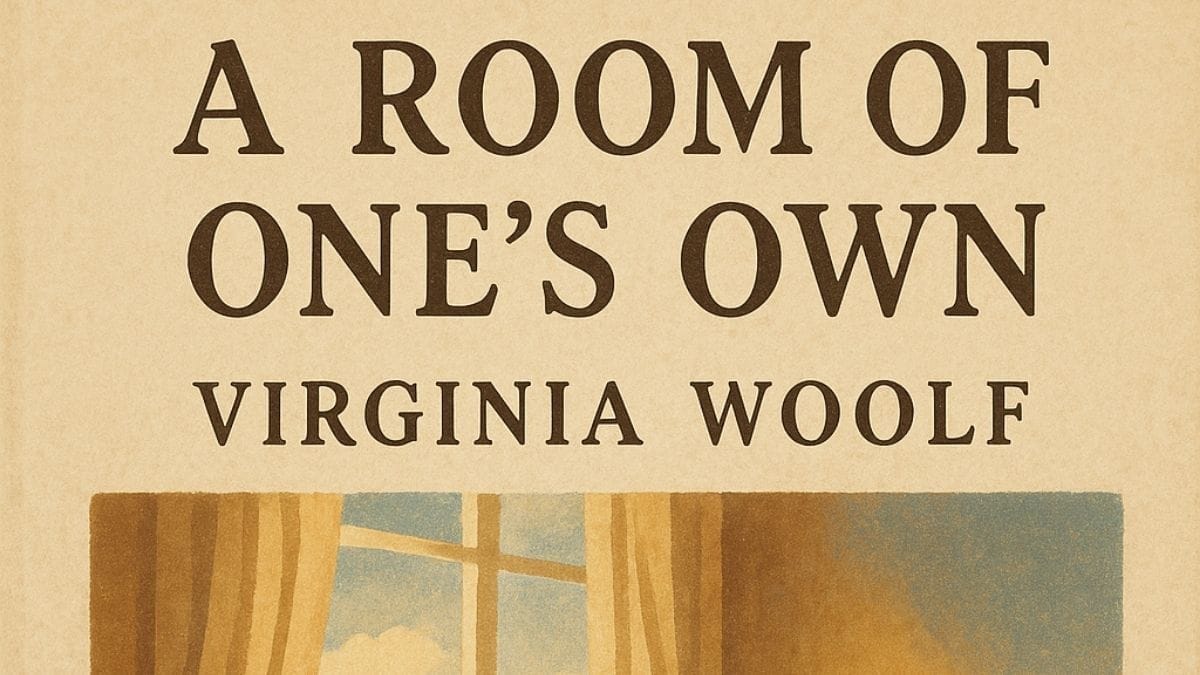
Not every essential Virginia Woolf book is a novel, and A Room of One’s Own proves exactly why. Part essay, part argument, part literary meditation, it begins with a practical question about women and fiction and unfolds into something much larger: a reflection on money, privacy, education, authorship, and the conditions required for intellectual freedom. It is sharp without being cold, persuasive without sounding rigid, and full of sentences that seem to arrive from a mind thinking in real time. For anyone searching for must-read Virginia Woolf books, this belongs near the top because it makes her intelligence feel immediate and companionable. It also connects naturally with readers drawn to philosophy classics since Woolf is not only making a case but examining the structures beneath culture itself. This is one of the clearest ways to understand both her art and her legacy.
Orlando by Virginia Woolf
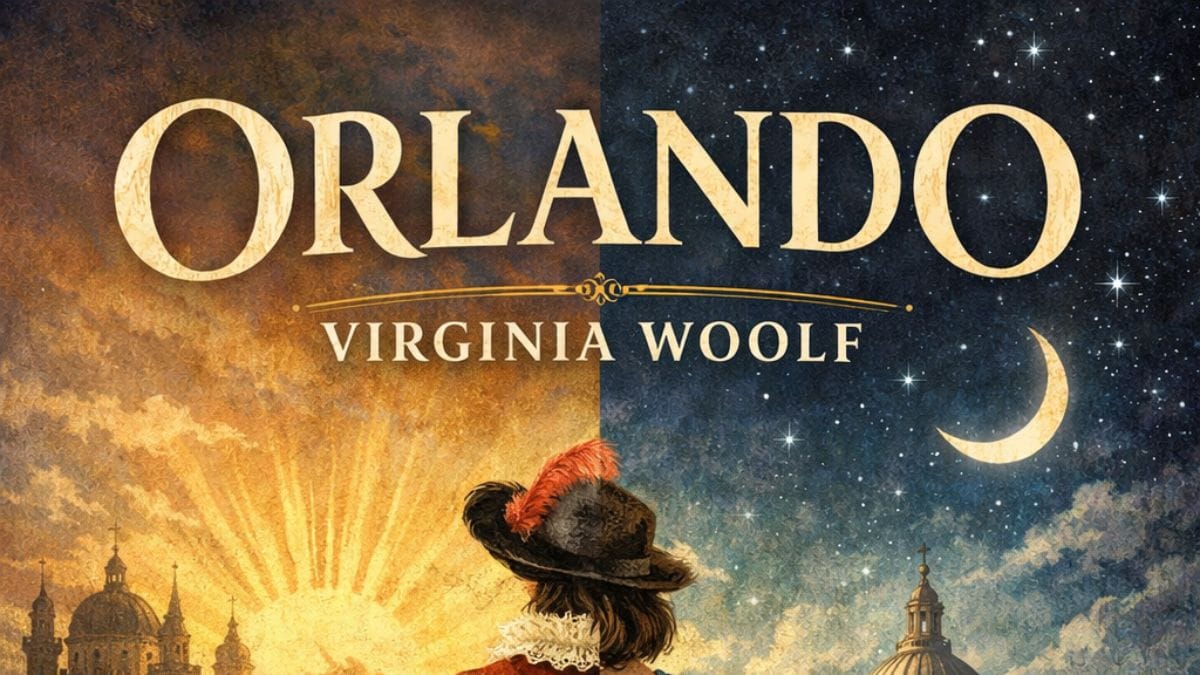
If you suspect Virginia Woolf might be too solemn, Orlando is the perfect correction. This is her most playful, mischievous, and unexpectedly accessible book, a strange fictional biography that follows its hero across centuries, identities, and shifting social roles. The novel refuses to stay in one category for long. It is part satire, part fantasy, part love letter, and part meditation on gender and time. That inventiveness makes it one of the most enjoyable Virginia Woolf recommendations for readers who want to see her wit as well as her depth. Beneath the surface sparkle, Woolf is still doing what she does best: questioning the forms people are expected to live inside. Orlando feels startlingly modern, but it also has the confidence and durability of the most timeless classics. If you want variety in your Virginia Woolf reading list, this book shifts the whole mood.
The Waves by Virginia Woolf
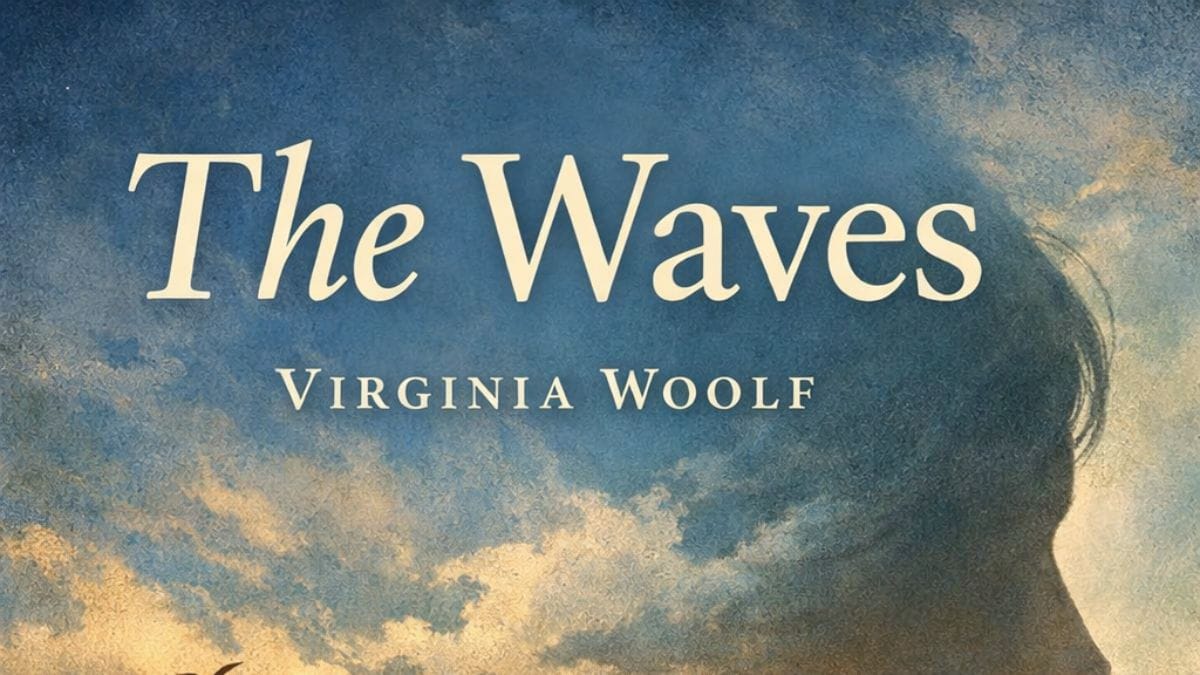
The Waves is the most challenging book on this list, but it earns its place because it reveals just how far Woolf could push the novel without losing emotional force. Built from the interwoven voices of six characters, it reads less like traditional fiction and more like a lyrical chorus of consciousness. Plot is minimal, but experience is everywhere: childhood, friendship, ambition, loneliness, mortality, the ache of becoming someone and the equal ache of never quite arriving. This is not the first Woolf book everyone should pick up, yet it is absolutely one of the best Virginia Woolf books once you have entered her world through one or two others. Reading it feels like listening to thought before it hardens into speech. For some readers, it will be the book that finally explains why Woolf matters so much. For others, it will simply feel unforgettable, which is reason enough.
Why These Are the Best Virginia Woolf Books to Start With
A good introduction to Virginia Woolf should not feel like homework disguised as taste. It should feel like an invitation into a voice that sees ordinary life with uncommon depth. That is why these five books work so well together. Mrs Dalloway offers the most graceful entry into her style, To the Lighthouse expands that experience into something more spacious and emotional, and A Room of One’s Own shows the mind behind the fiction in direct, lucid form. Then Orlando reminds you that Woolf could be witty, playful, and formally adventurous, while The Waves reveals the far edge of her art for readers ready to go further. Taken together, they create a balanced Virginia Woolf reading list for beginners and serious readers alike. If your question is where to start with Virginia Woolf, this is the answer: begin with clarity, follow curiosity, and let her books teach you how to read them. Once that happens, her work stops feeling intimidating and starts feeling strangely intimate, as though someone has put the hidden rhythm of thought itself into language.
Thanks for reading. If this list helped you discover something new — or rediscover something old — you’re welcome to keep exploring: