
I once heard that if you really want to understand the economy, you should not start with economists and their data. You should call your retired mother and ask whether her life is better or worse than it was five years ago. She may complain a little, of course, but she will probably tell you more about the real economy than the newest and most elegant metrics ever could.
Or you can plan a trip to your hometown, somewhere you have not been in five or ten years, go there, and just wander aimlessly, asking yourself: “Is it better or worse than I remember?” And it should be so much better, shouldn’t it?
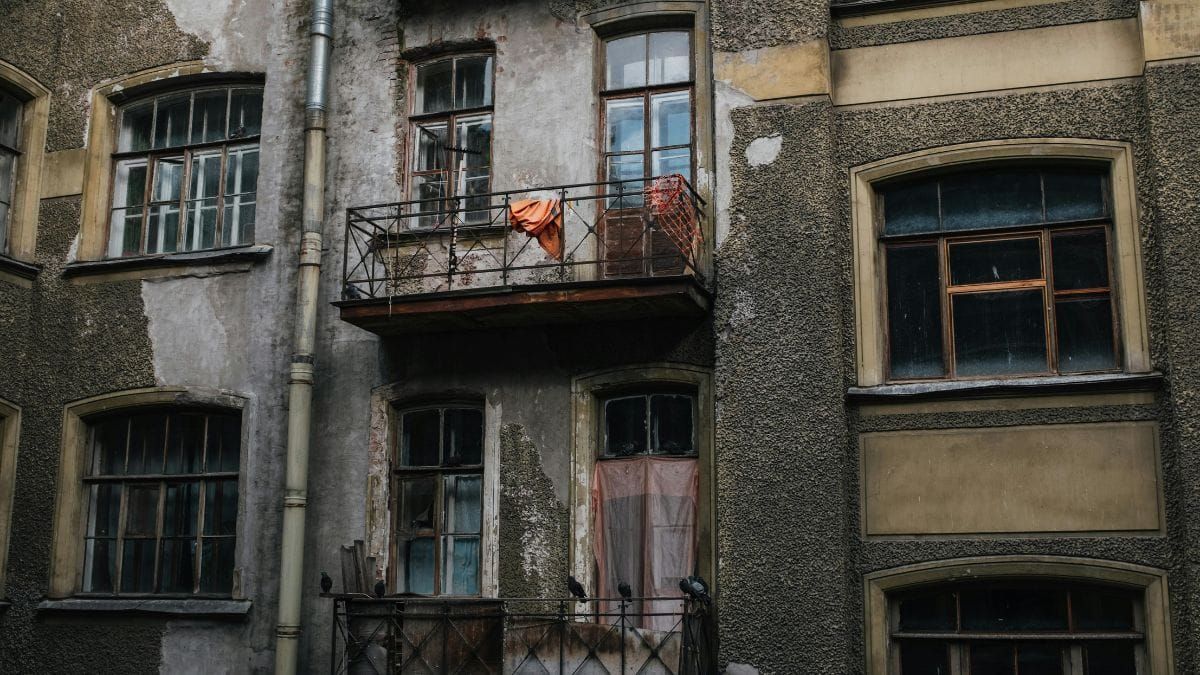
After all, GDP is usually positive, showing average growth of one to five percent per year. Compounded over the years, it should be hard to miss twenty, thirty, or even fifty percent growth. But most likely, the silent, unrenovated walls will tell you the real story.
You can also challenge your own laziness and say: “Maybe I’m just complaining too much. The world is full of possibilities. Let me find some additional income.” And then, after a full day of registering on a few platforms for academic research or AI training, submitting your rich CV, going through multiple layers of ID verification — photos of your ID, videos of yourself, and so on — and completing unpaid screenings on each platform, from ten to ninety minutes long, just to prove your skills, you are finally in. Hurray!
Then a task appears. Twenty cents. Maybe one pound, if you are lucky. Hundreds of available places. But before you even move your hand properly, the page freezes, the study is “in high demand,” and it disappears.
The stock market is at record highs. Economies are growing. And yet somewhere, in real time, hundreds of competent, multilingual adults are trying to click fast enough to earn twenty cents before the “opportunity” vanishes.
See, the story about the economy may be elegant. The metric may be technically correct. The chart may even point upward.
But ordinary life has its own data.
It is in the quiet anxiety of people on fixed incomes, like seniors. In the walls we ignore while rushing through the city every day. And in the hunger games over digital crumbs, where even a task worth twenty cents can disappear faster than you can blink. Maybe the real economy begins exactly there: where the chart stops being a story and becomes pressure on someone’s life.
Thanks for reading. If this note resonated, you can subscribe, support the project, or explore the reading lists I curate.