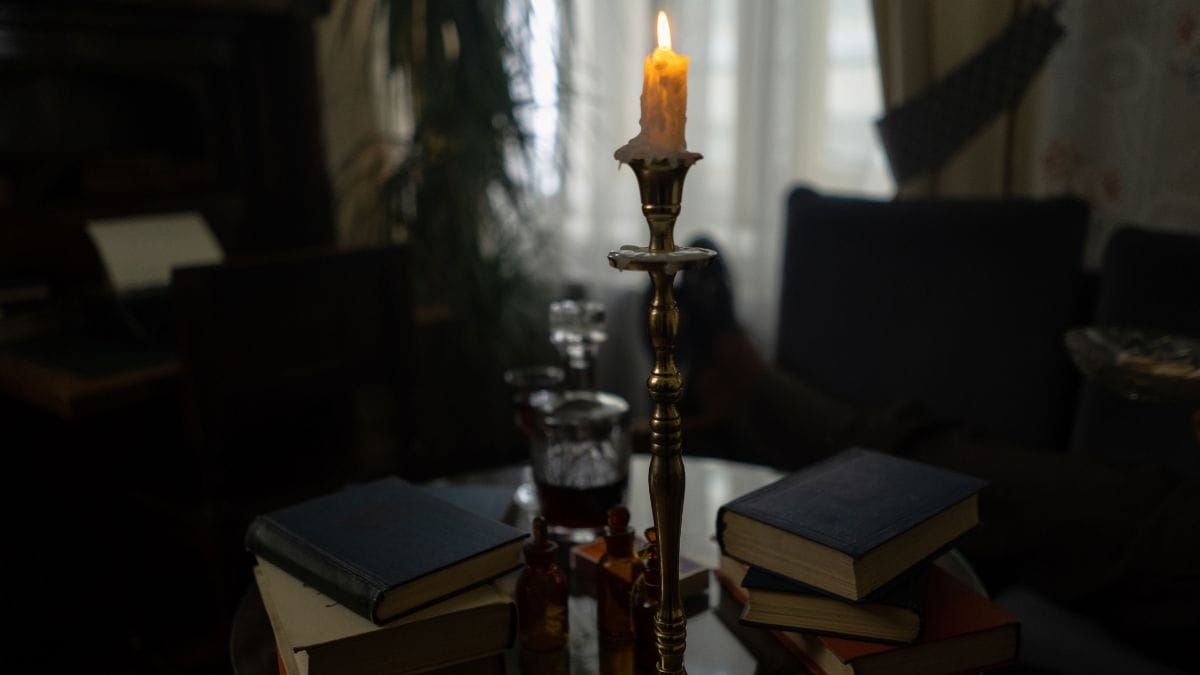
Halloween has a strange way of making old books feel suddenly current. A creaking staircase, a locked room, a figure waiting outside the window. We know the tricks, and somehow they still work.
But the best Gothic horror classics aren't frightening simply because they contain monsters. They're frightening because the monsters usually arrive carrying something human: guilt, desire, loneliness, pride, the suspicion that the mind cannot be trusted. That is why these stories survive long after their original audiences have gone.
If you're building a Halloween reading list, these ten books deserve more than a seasonal glance. Some are wonderfully wild, others unsettlingly quiet, and a few may leave you looking at ordinary rooms differently.
Why Gothic Horror Classics Belong on Your Halloween Reading List
Gothic fiction is often described as a collection of familiar props: crumbling castles, storms, secret passages, gloomy estates. Fair enough. The scenery has earned its reputation. But scenery is not the point.
What makes classic Gothic horror books memorable is the pressure they place on ordinary certainties. A home should be safe. A respectable person should know himself. Science should make the world clearer. Then a novel takes one of those assumptions and quietly removes the floor beneath it.
Halloween offers more than one kind of fear. There are vampires and ghosts, certainly, but also obsession, divided identities, dangerous curiosity, and houses that seem to absorb what people refuse to say aloud. If you're new to Gothic fiction, start with whichever unease feels most familiar.
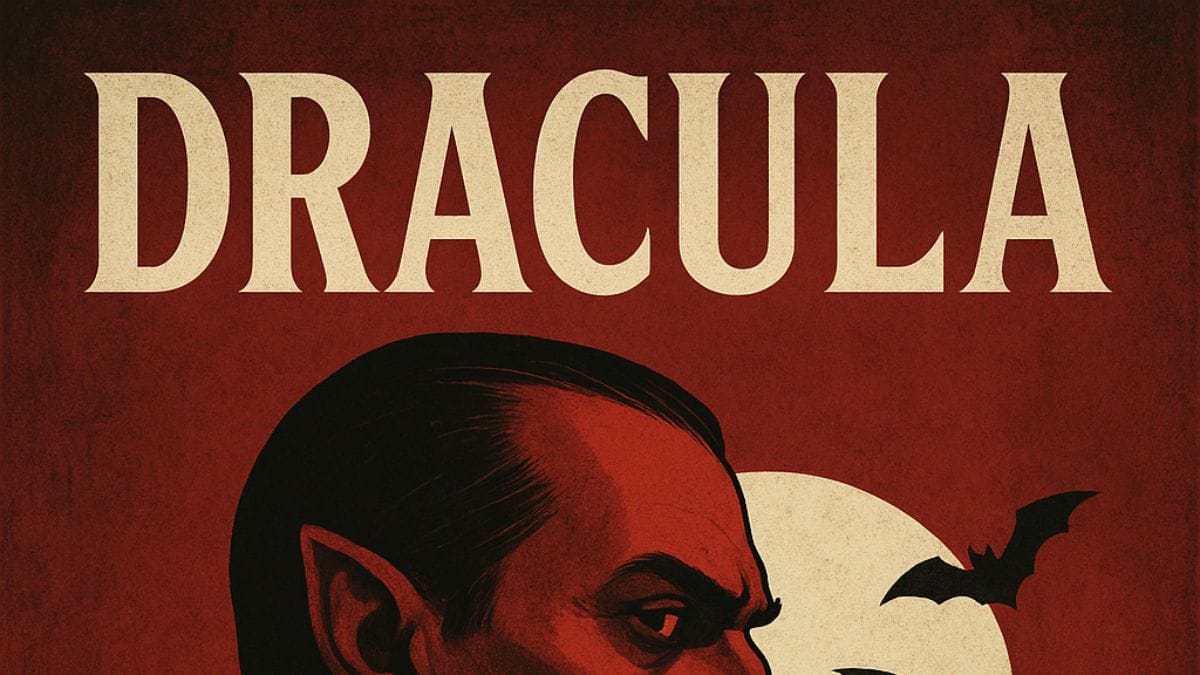
Dracula by Bram Stoker
There is a very good reason Dracula remains the obvious first stop on so many Halloween reading lists. The Count is frightening, yes, but the novel's real talent is making danger feel as if it has already crossed the threshold before anyone understands what is happening.
Stoker tells the story through diaries, personal letters, and newspaper reports, a technique that gives the supernatural an almost documentary texture. It's also why the book belongs in any conversation about classic epistolary novels. Each voice knows a little; nobody knows enough.
And that is the peculiar pleasure of reading it now. Beneath the bats and coffins sits a story about invasion, trust, and the terrifying possibility that the modern world is not nearly as protected as it thinks. Read it when you want your Halloween to feel properly nocturnal.
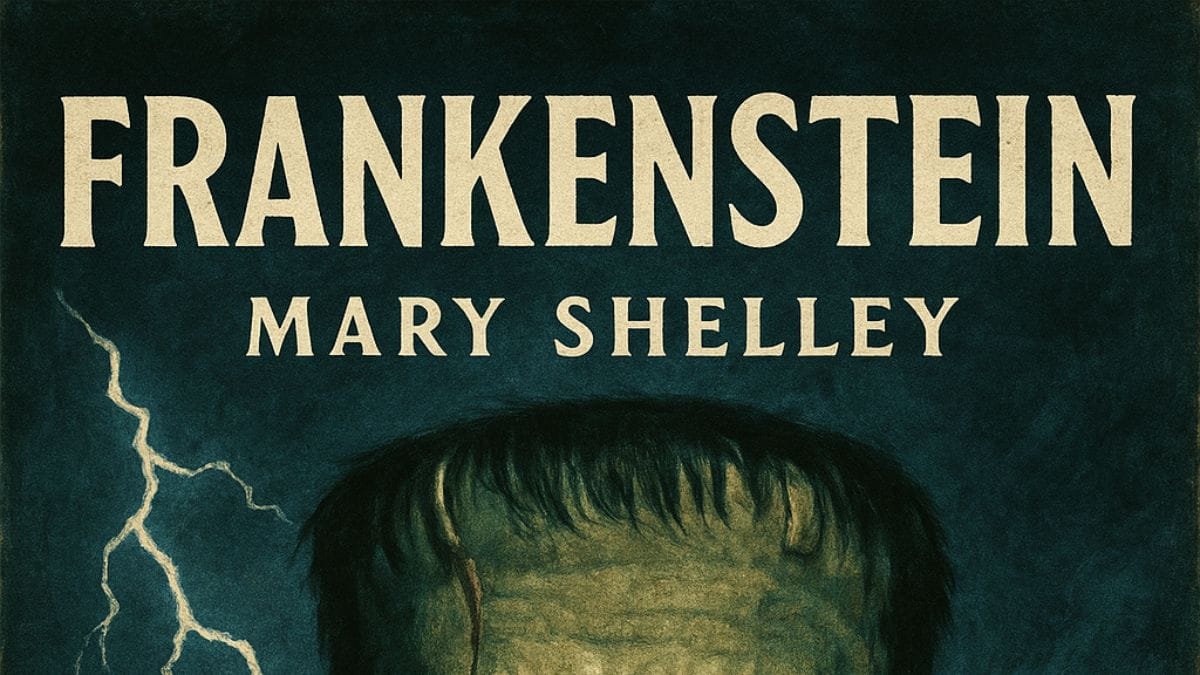
Frankenstein by Mary Shelley
People often remember the creature before they remember the novel. A stitched body, a flash of lightning, a scientist who has gone too far. But Frankenstein is sadder and stranger than that familiar image suggests.
Victor Frankenstein creates life and then recoils from what he has made. The horror grows in the space between those two acts. What does a creator owe his creation? What happens to a being who is denied affection, companionship, even a place in the human world? Shelley refuses to let those questions stay comfortably theoretical.
This is one of the great classic horror books for Halloween if you like your fear tangled with sympathy. There are bleak landscapes and terrible consequences, but the haunting part is not the experiment itself. It's the refusal to take responsibility afterward.
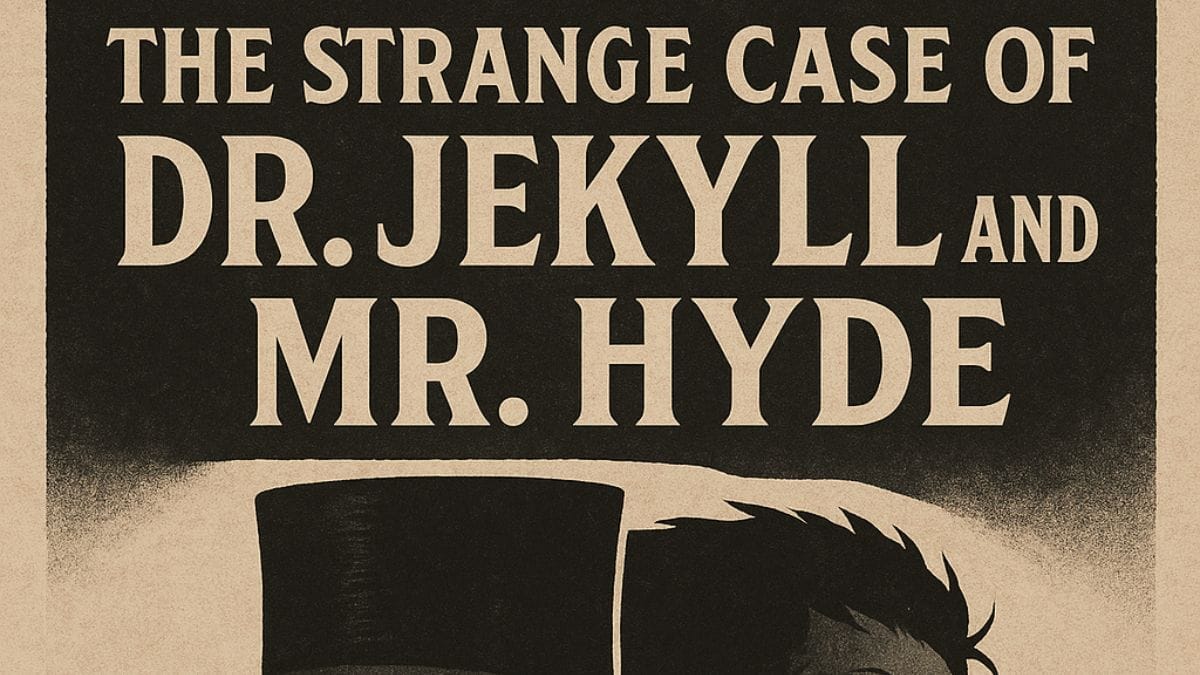
The Strange Case of Dr Jekyll and Mr Hyde by Robert Louis Stevenson
Few horror ideas are as durable as the suspicion that the stranger we fear may be living inside us. Stevenson's short novel takes that discomfort and gives it a name, a face, and a very respectable London address.
Dr Jekyll believes he can separate the parts of himself he would rather not acknowledge. Mr Hyde is what happens when that confidence becomes an experiment. The plot moves quickly, almost like a mystery, but its implications linger far beyond the final revelation.
Among psychological classics, this one is especially good at exposing the gap between public virtue and private appetite. You can finish it in a Halloween evening. The unsettling question it leaves behind is harder to put away: how much of our goodness depends on never being properly tested?
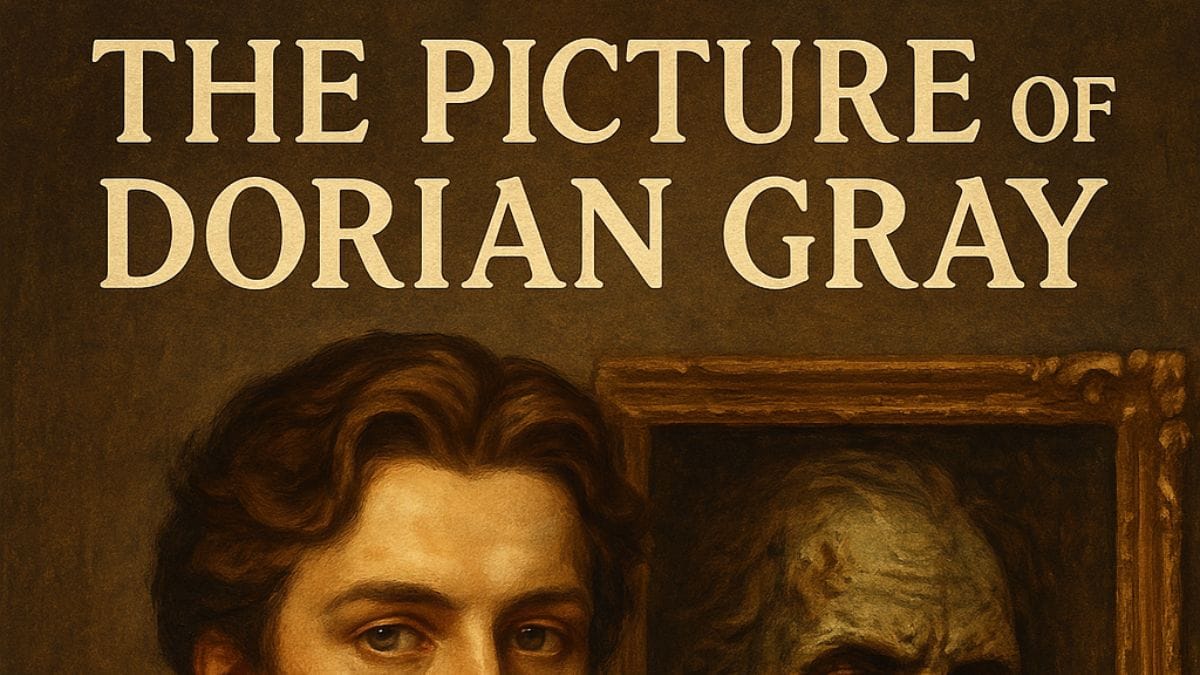
The Picture of Dorian Gray by Oscar Wilde
At first, Dorian Gray looks like a story about beauty. A young man wishes to remain untouched by age while his portrait bears the evidence of his life. It sounds almost elegant, like a clever bargain one could make over dinner.
Then the bargain begins collecting its price. Wilde turns drawing rooms, witty conversation, and polished surfaces into something quietly rotten. Dorian's greatest terror is not death. It is being seen accurately, without the protection of charm and a beautiful face.
For readers drawn to Gothic literature that works through corruption rather than jump scares, this book has a special bite. Its horror lies in watching a person confuse freedom with the absence of consequences. Halloween seems an appropriate time to spend an evening with a portrait that knows too much.
Carmilla by Sheridan Le Fanu
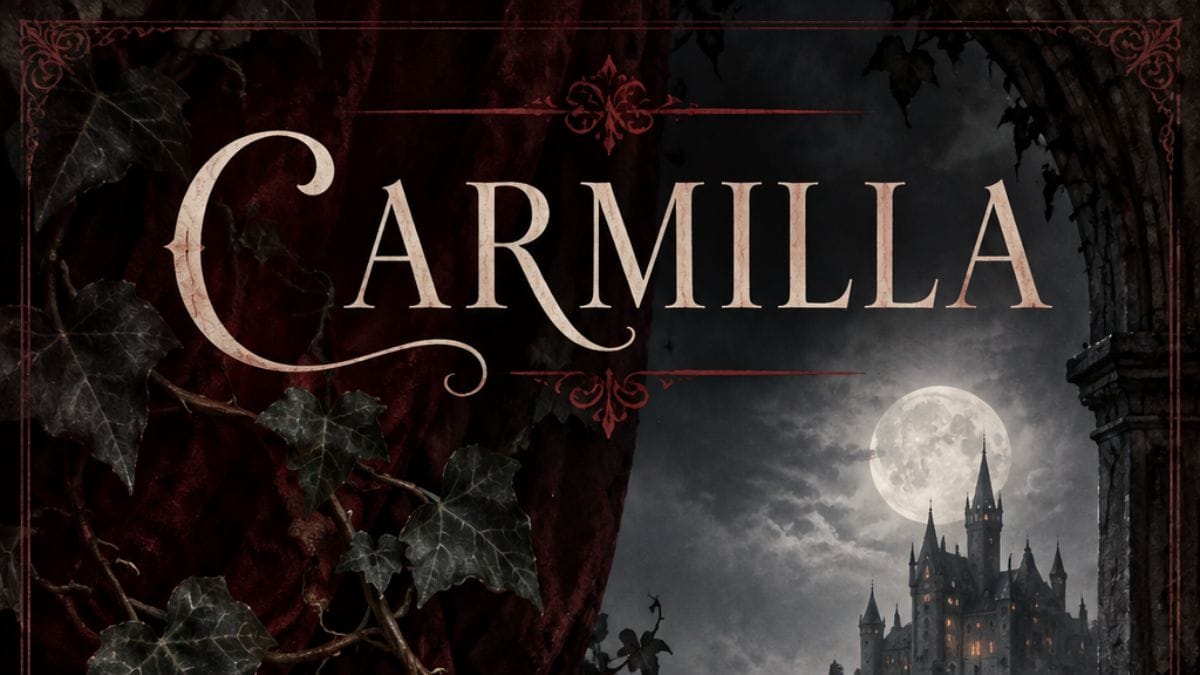
Before Dracula became the vampire everyone recognized, there was Carmilla. Le Fanu's novella follows a young woman whose mysterious guest arrives with an intimacy that is at once comforting, seductive, and deeply unsettling.
The horror here moves slowly. Conversations seem ordinary until they don't. Affection begins to look like possession. And because the story is told through the eyes of someone who cannot quite name what is happening, the reader feels the danger before the characters can explain it.
Carmilla is one of those classic novellas that proves a short book can cast a long shadow. It is also a reminder that Gothic vampire fiction was never only about fangs. It was about desire, secrecy, vulnerability, and the frightening uncertainty of another person's intentions. Best read after dark, naturally.
The Turn of the Screw by Henry James
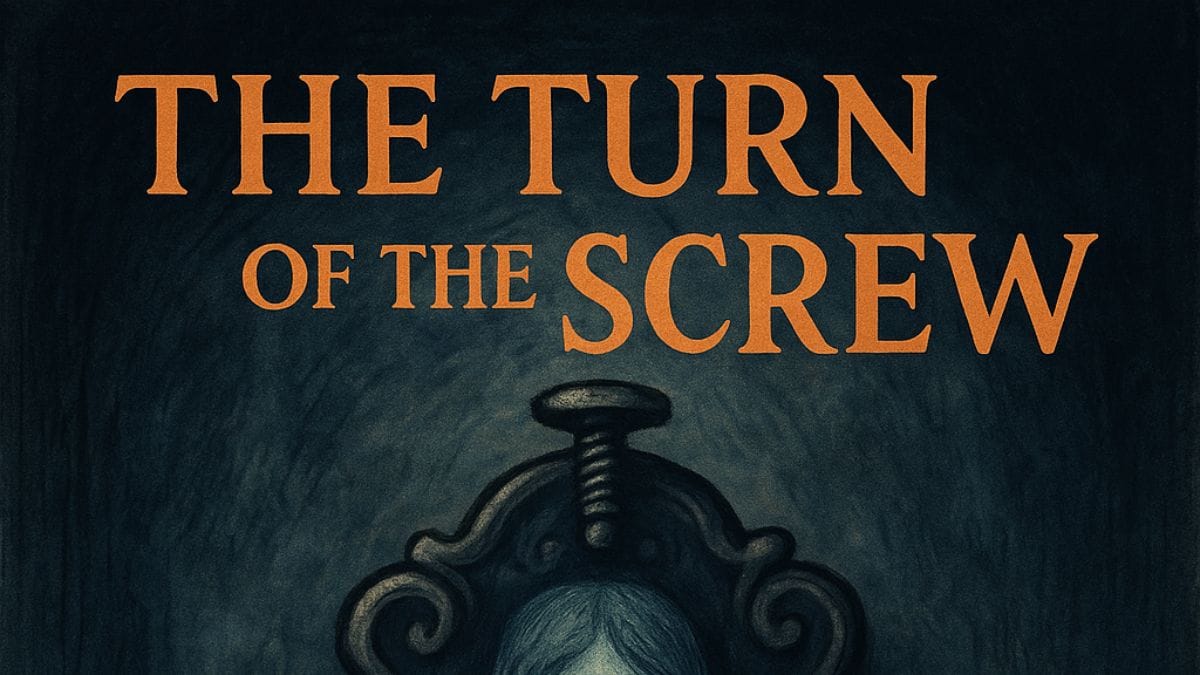
A governess arrives at a country estate to care for two children. There is an absent employer, an isolated house, and a sense that something has gone badly wrong before the story even begins. So far, standard ghost-story territory.
James makes it much less comfortable. The apparitions may be real, or they may belong to the governess's increasingly troubled interpretation of events. The novel never gives readers the easy relief of a settled explanation. We are left judging a narrator whose certainty may itself be dangerous.
That ambiguity is the engine of the fear. Among the best Gothic horror books to read when you want atmosphere rather than spectacle, The Turn of the Screw makes every glance and silence matter. It asks a nasty little question: what if the person trying hardest to protect the innocent is the one we should fear?
The Castle of Otranto by Horace Walpole
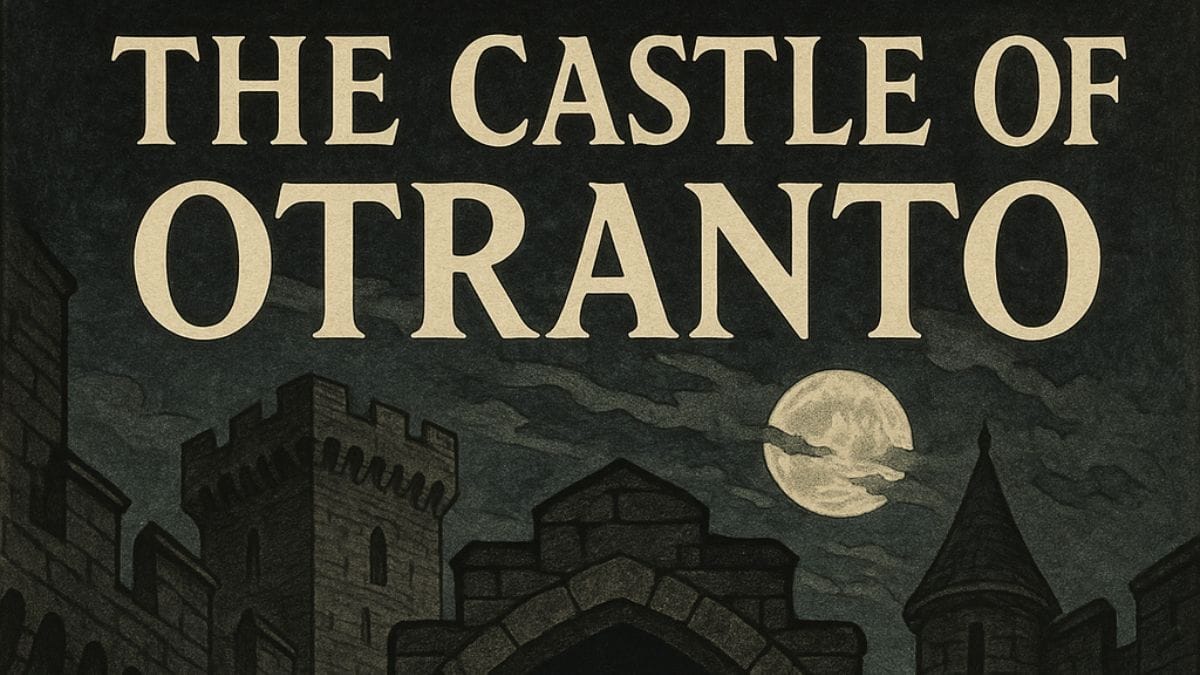
A giant helmet falling from nowhere does not sound like the beginning of serious literature. Yet that is part of the charm of The Castle of Otranto, a wonderfully excessive book that helped establish the Gothic novel.
There are prophecies, ancestral secrets, corridors, improbable events, and a castle that seems determined to interfere in human affairs. The plot charges ahead with a confidence that modern readers may find ridiculous one moment and strangely thrilling the next. Walpole was not aiming for subtle psychological dread. He wanted astonishment.
Read this if you're curious about the origins of gothic classics. Haunted architecture, family curses, and the past pushing into the present are all here in unruly early form. Sometimes Halloween deserves a little theatrical thunder.
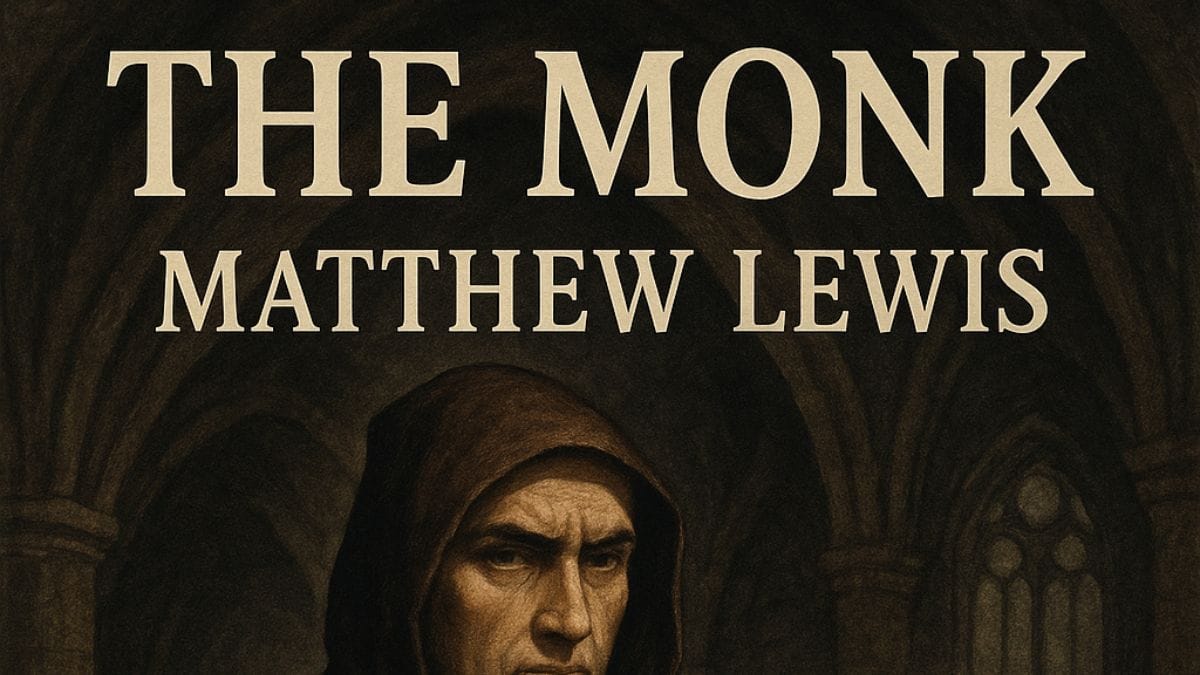
The Monk by Matthew Gregory Lewis
Some Gothic novels whisper from behind a locked door. The Monk kicks it open. Lewis gives us religious ambition, temptation, manipulation, forbidden desire, and a descent into consequences that are as extravagant as they are grim.
At the center is Ambrosio, a celebrated monk whose reputation for virtue becomes part of his downfall. The novel probes the gap between how a person appears and what he does when power meets appetite. It is unapologetically sensational, with violence and sexual themes that make it far darker than a cozy Halloween read.
Still, there is method in the excess. The Monk shows how dangerous unquestioned authority can become when wrapped in holiness. Pick it when you want Gothic horror at its most feverish and morally unsettling.
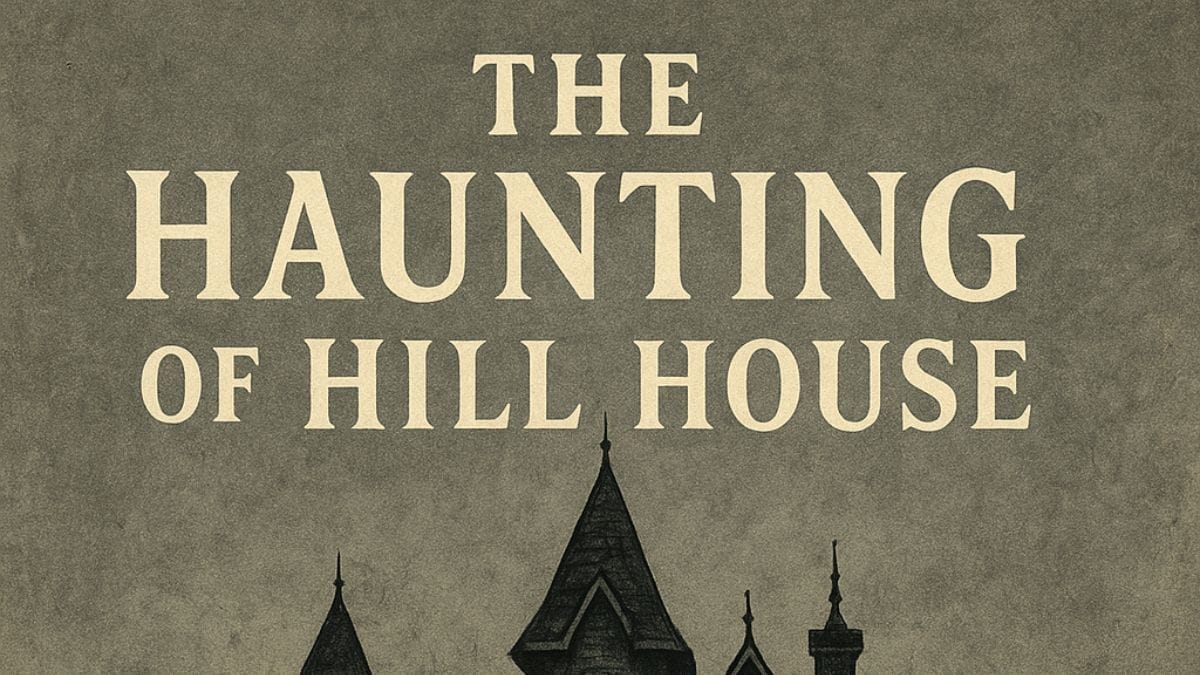
The Haunting of Hill House by Shirley Jackson
Not every haunted house needs a dramatic ghost at the window. Sometimes it only needs a corridor that feels slightly wrong, a sound no one can place, and a person who has spent too long feeling unwanted.
Shirley Jackson brings a group to Hill House to investigate its eerie reputation. But the story's real center is Eleanor, whose longing to belong makes the house's attention both terrifying and seductive. Jackson writes fear with remarkable restraint. A few words can change the mood of an entire room.
For anyone searching for classic haunted house horror, this is close to essential. The building is frightening, but its deeper trick is making isolation feel like an invitation. You begin by wondering what lives inside Hill House. Eventually, you start wondering what Hill House recognizes in the people who enter it.
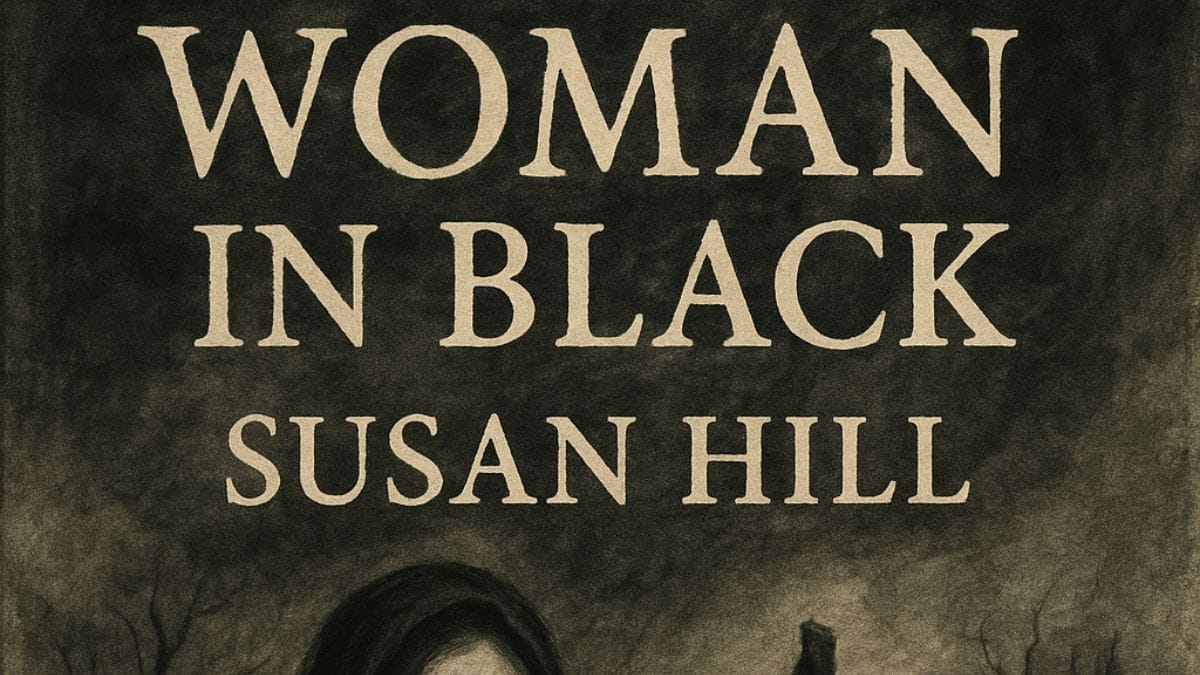
The Woman in Black by Susan Hill
A young solicitor travels to a remote English house to settle the affairs of a dead client. The journey seems merely inconvenient at first. Then the landscape empties, the mist settles, and the locals become strangely reluctant to talk.
Susan Hill writes an old-fashioned ghost story with remarkable control. Eel Marsh House, cut off by a causeway when the tide rises, becomes the sort of setting that feels dangerous even in daylight. The dread comes from waiting, listening, and realizing that silence is not the same thing as safety.
If you want a chilling Halloween read without committing to a huge novel, start here. The Woman in Black understands something the best supernatural horror classics have always known: a single figure glimpsed at the wrong moment can be more disturbing than an entire parade of monsters.
Which Gothic Horror Classic Should You Read First?
There is no single correct entrance into Gothic horror. That is part of what makes these books such good company in October. They offer different fears for different moods, and the one that catches you may reveal something about what you find unsettling in the first place.
Want the full candlelit Halloween experience? Choose Dracula. Want a story that asks uncomfortable questions about responsibility and loneliness? Try Frankenstein. For a short, sharp encounter with the divided self, Jekyll and Hyde is hard to beat. If uncertainty gets under your skin more than visible monsters, The Turn of the Screw will happily refuse to explain itself.
And if haunted houses are your weakness, save Hill House or The Woman in Black for a quiet evening. Older Gothic novels may demand some patience, but they offer the pleasure of watching the genre invent its own nightmares.
The point is not to complete a respectable reading challenge. It is to find a book that changes the atmosphere of the room. Turn off the noise, leave a light on if you must, and let one of these stories remind you why we still return to the dark.
Thanks for reading. And if you feel like continuing, there’s always another list, another rabbit hole, and usually another book worth adding to the pile. Feel free to browse around or subscribe and see what comes next.