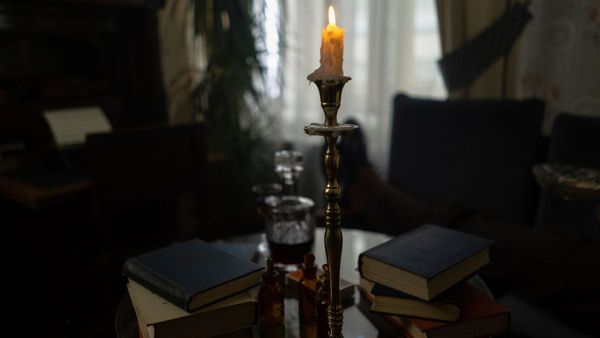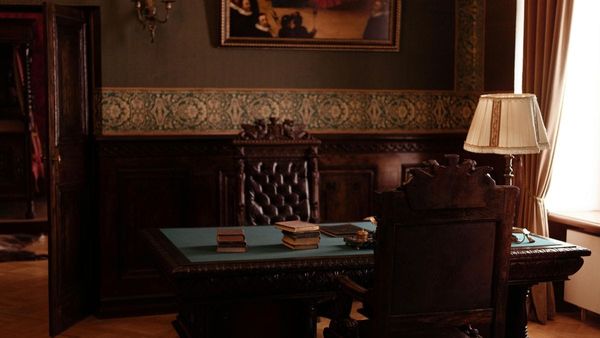
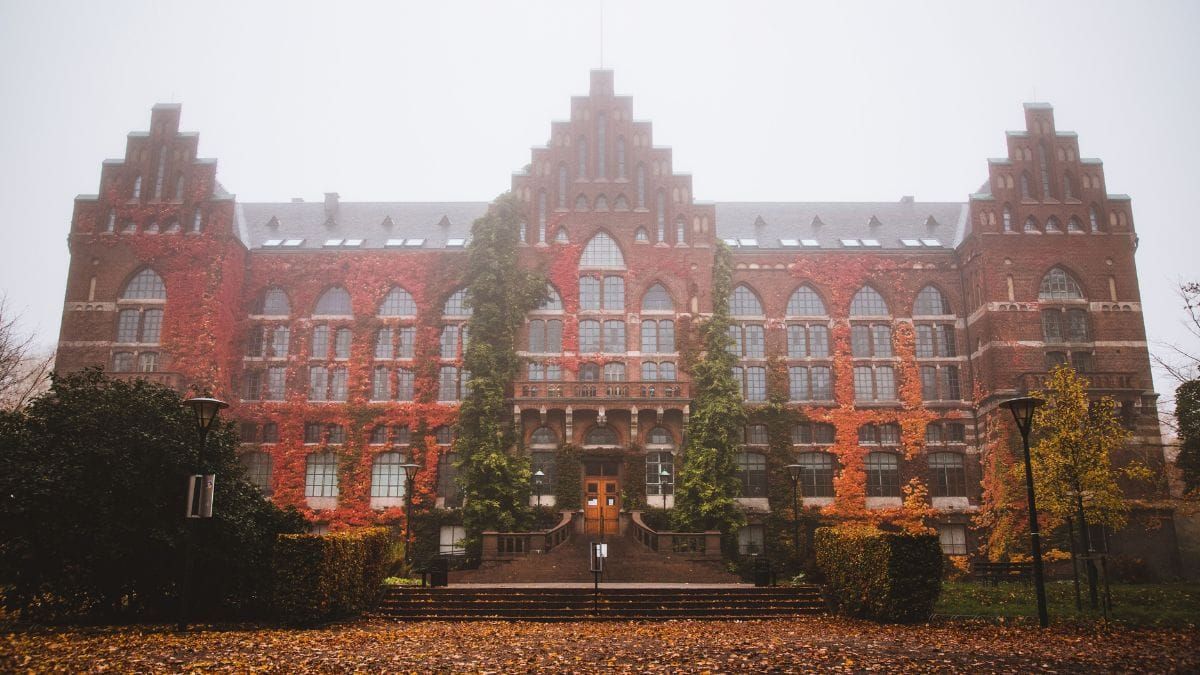
There is a particular moment in fall when ordinary reading starts to feel slightly inadequate. The light disappears earlier, the air sharpens, and suddenly a bright contemporary novel can seem like the wrong object for the room. You want old libraries, bad decisions, candlelight, Latin phrases, moral collapse, and at least one person wandering through a corridor at an unreasonable hour. That is where dark academia classics become useful. Not because every book here takes place at a university, but because each carries something the aesthetic is really built on: obsession, intellect, beauty, secrecy, ambition, and the suspicion that knowledge does not always make us better.
Why Dark Academia Classics Belong on a Fall Reading List
Dark academia is often treated as an aesthetic first: tweed jackets, stone buildings, annotated paperbacks, black coffee, rain against tall windows. Fine. But the books that give the mood real weight are usually less comfortable than the imagery suggests. They ask what happens when intelligence becomes vanity, education fails to produce wisdom, beauty becomes an excuse, or isolation turns the mind against itself. That is why the best dark academia books for fall often overlap with gothic classics, psychological fiction, campus stories, and morally difficult literature. The atmosphere matters, but it becomes much more interesting when something darker is moving underneath it.
The Picture of Dorian Gray by Oscar Wilde
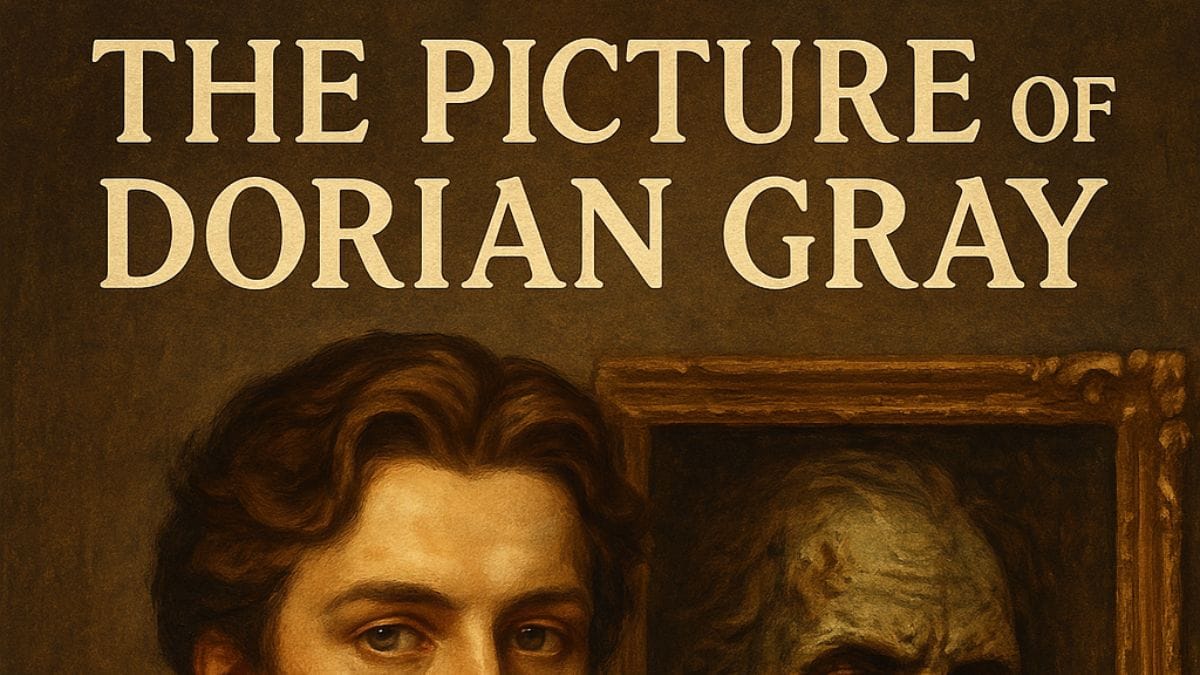
If dark academia had to choose one portrait for the wall, it would probably be Dorian Gray’s. Wilde gives us beauty, cultivated conversation, art, influence, secrecy, and the slow corruption that follows when aesthetic refinement is mistaken for moral depth. The novel is elegant enough to feel luxurious and poisonous enough to keep that elegance from becoming decorative. It also works beautifully in a fall reading list because nearly every conversation seems to take place under the shadow of decay. Readers drawn to psychological classics will find plenty here: Dorian’s real education is not academic at all, but an education in self-deception, and he proves terribly gifted at it.
Frankenstein by Mary Shelley
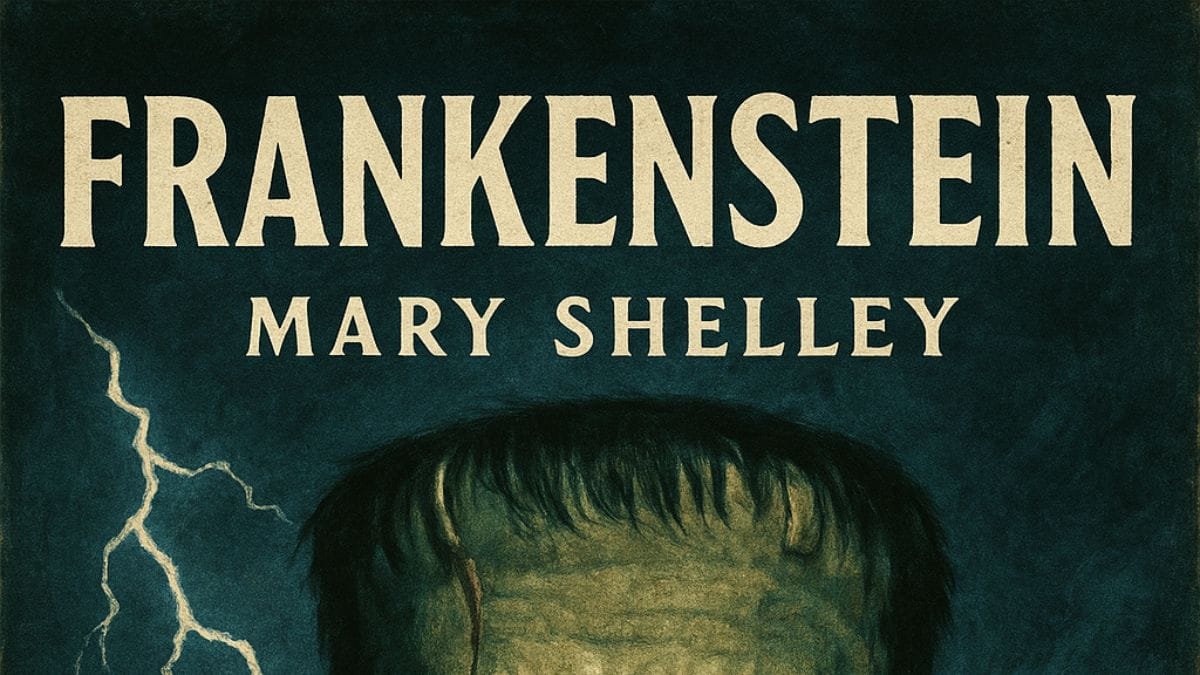
Frankenstein is sometimes reduced to lightning, laboratories, and the famous creature, which is a shame because the book is much stranger and more intellectual than its pop-culture afterlife suggests. Victor Frankenstein is, among other things, a student who takes the desire to know too far. He studies, isolates himself, becomes consumed by a private project, and discovers that brilliance without responsibility can turn into catastrophe remarkably quickly. That alone earns the novel a place among dark academia classics. Add bleak landscapes, philosophical arguments, letters, grief, ambition, and the feeling of a mind pushing beyond healthy limits, and it becomes almost embarrassingly perfect for cold-weather reading.
The Strange Case of Dr Jekyll and Mr Hyde by Robert Louis Stevenson
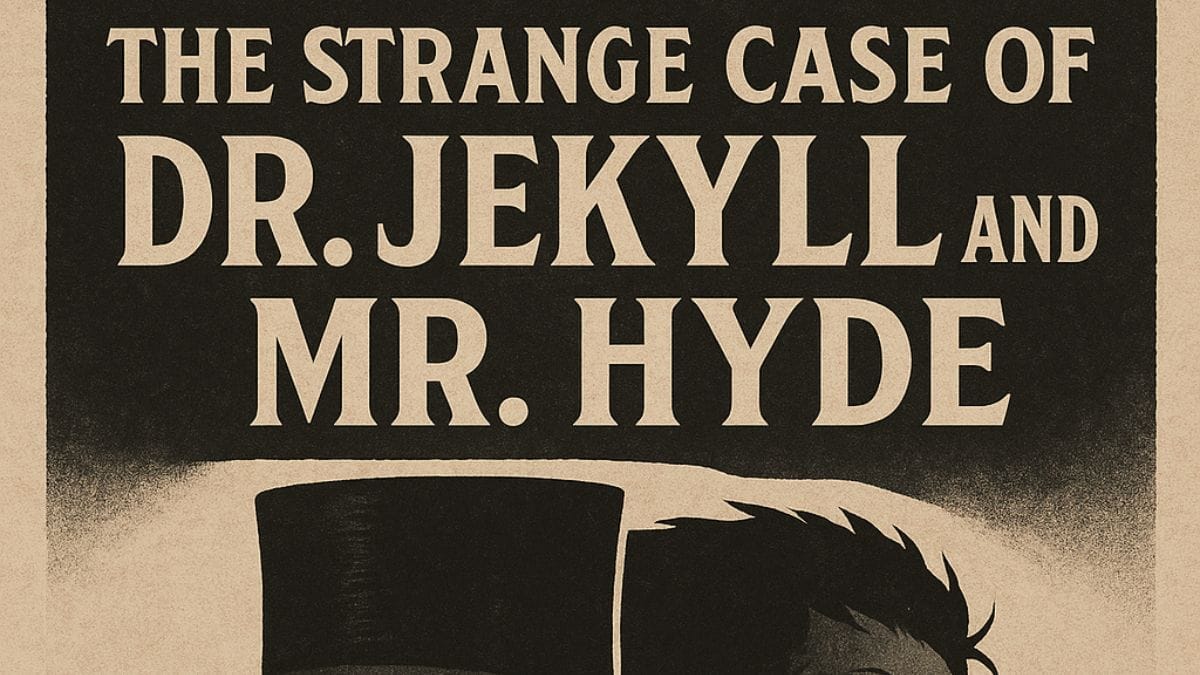
There is something wonderfully efficient about Dr Jekyll and Mr Hyde. It does not need hundreds of pages to build its foggy streets, locked doors, respectable men, private experiments, and growing sense that civilization is only a thin coat of paint. Jekyll is educated, admired, scientifically curious, and completely confident that he can divide the unacceptable parts of himself from the socially acceptable ones. Naturally, this goes badly. For a dark academia reading list, the appeal is obvious: knowledge becomes experiment, experiment becomes secrecy, and secrecy becomes a second life. It is also short enough to read in one or two autumn evenings, ideally when the weather is doing something theatrical outside.
Crime and Punishment by Fyodor Dostoevsky
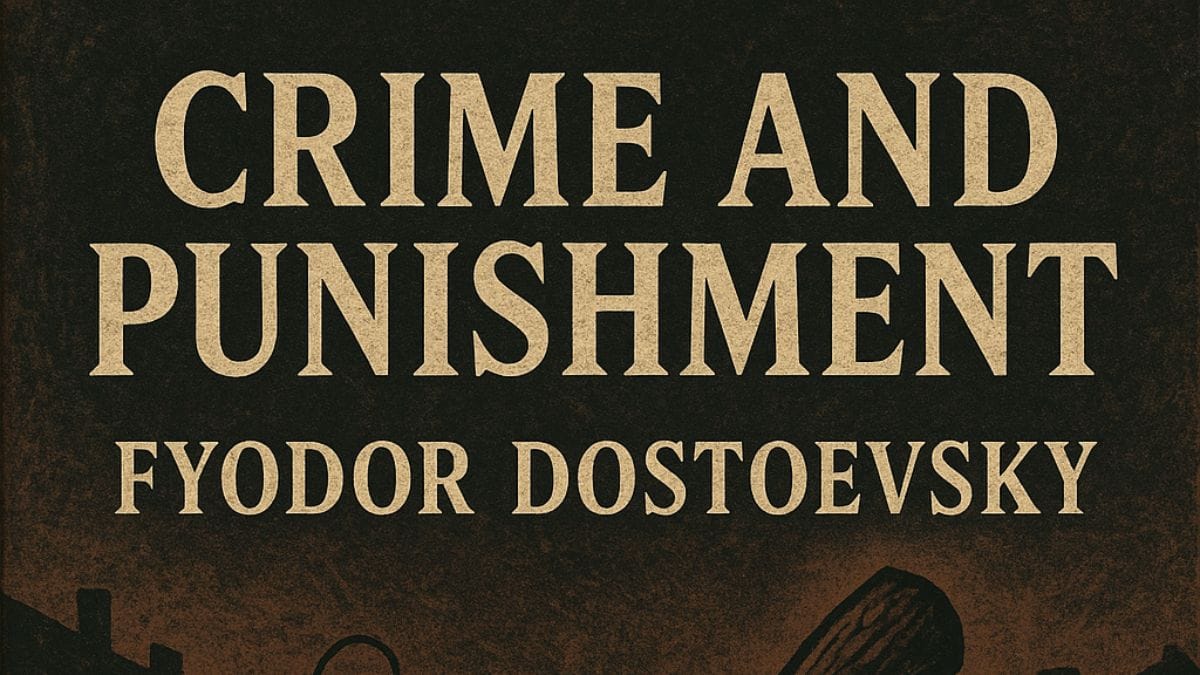
Crime and Punishment is not cozy, unless your idea of coziness includes fever, poverty, philosophical arrogance, police pressure, and a young man arguing himself into murder. Still, it belongs here. Raskolnikov is one of literature’s great examples of intelligence becoming a trap: he constructs an idea about exceptional people, tests that idea against reality, and then spends the rest of the novel discovering that theories are much cleaner than consequences. Readers interested in philosophy classics will recognize the deeper attraction. The book asks what happens when abstract reasoning detaches itself from ordinary human sympathy. It is dark academia without the polished university quad: all intellect, isolation, pride, and moral reckoning.
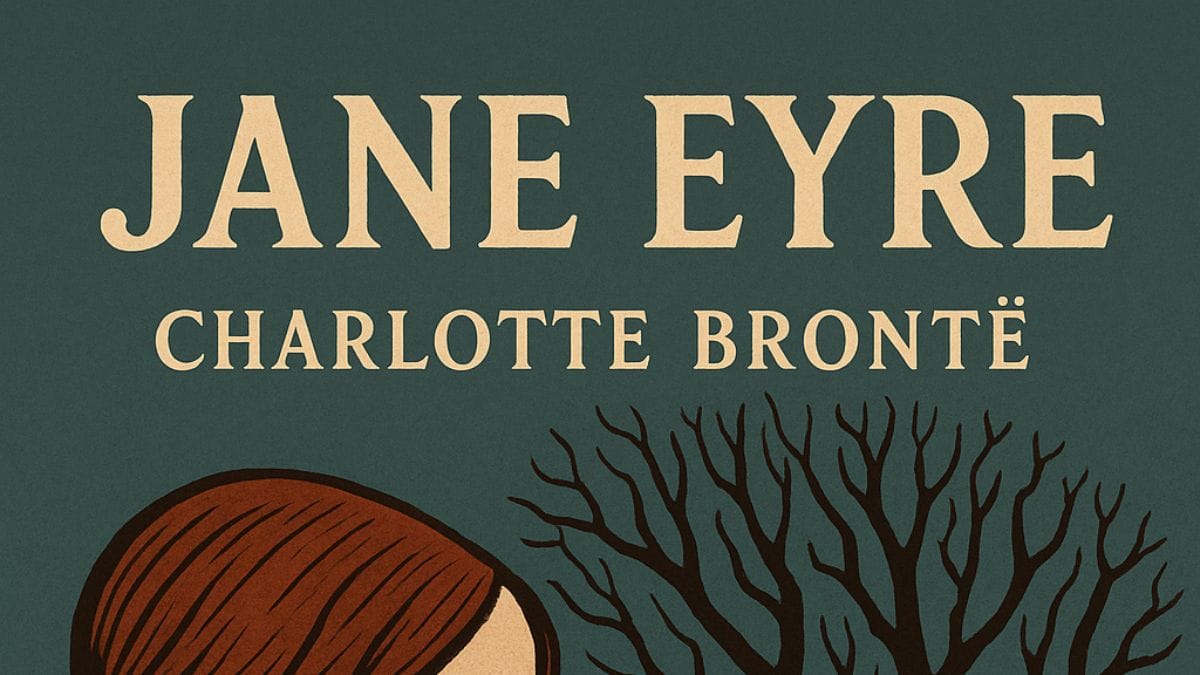
Jane Eyre by Charlotte Brontë
Jane Eyre brings a different kind of darkness to the list. Its intelligence is quieter, less theatrical, but no less important. Jane grows through schools, books, work, judgment, deprivation, and the constant pressure to surrender her sense of self to people with more money or authority. Then, of course, there is Thornfield: the isolated house, locked rooms, strange laughter, long corridors, and a romance built around a secret that absolutely should have been mentioned earlier. The novel fits dark academia not because it performs scholarly cleverness, but because it takes education, discipline, moral independence, and interior life seriously. On a rainy fall weekend, its combination of gothic atmosphere and fierce self-possession is difficult to beat.
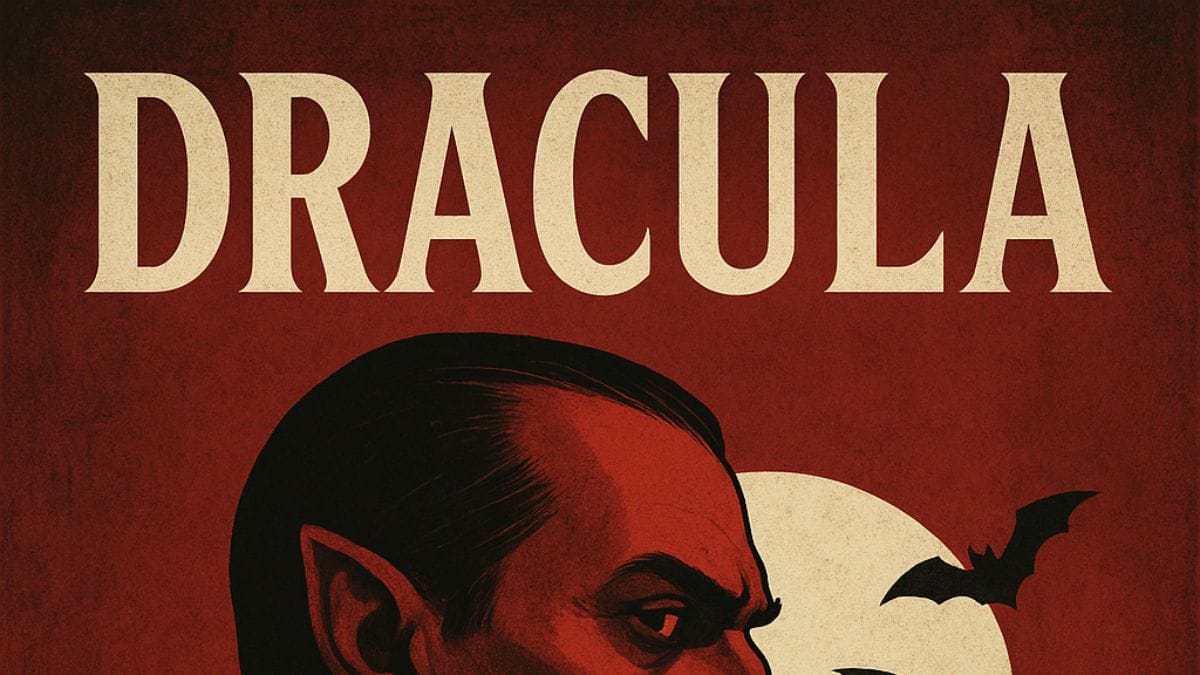
Dracula by Bram Stoker
Dracula arrives with so much cultural baggage that it is easy to forget how enjoyable the original novel actually is. It is a book of journals, letters, records, newspaper clippings, research, medical observations, maps, and people desperately assembling information before the information kills them. In other words, there is more scholarship in its structure than the capes suggest. The group survives by reading carefully, comparing evidence, translating clues, and treating knowledge as a practical weapon. That makes Dracula a natural dark academia book for fall, especially once the nights get longer. It gives you libraries and documentation, but also ruined castles, strange visitors, superstition, modern science, and the reassuring lesson that sometimes the correct response to a research problem is garlic.
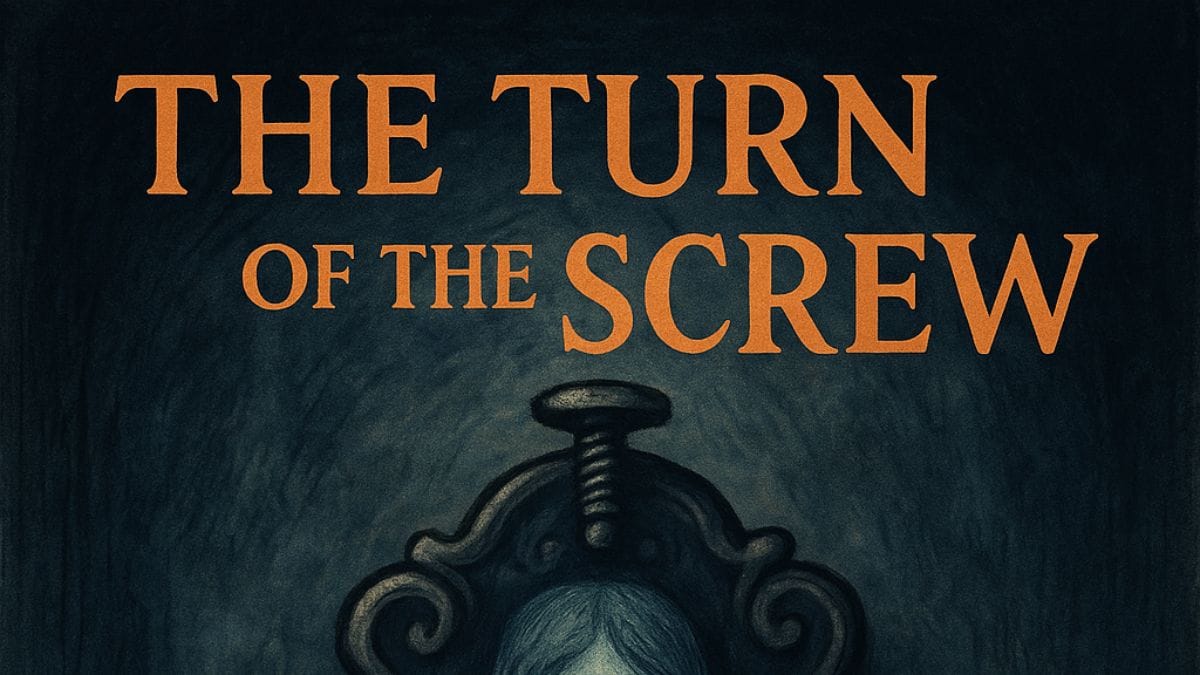
The Turn of the Screw by Henry James
The Turn of the Screw is a small book with an unusually large amount of unease inside it. A young governess arrives at a remote estate to care for two children and soon becomes convinced that something terrible is moving around the edges of the household. The trouble is that Henry James never gives the reader a comfortable place to stand. Are there ghosts? Is the governess reliable? Are the children innocent, corrupted, frightened, manipulative, or simply being interpreted into something they are not? That uncertainty is the whole pleasure. The novella belongs on an autumn reading list because it understands that fear becomes more interesting when the mind participates in creating it. Every room feels watched, every silence seems meaningful, and certainty keeps slipping away.
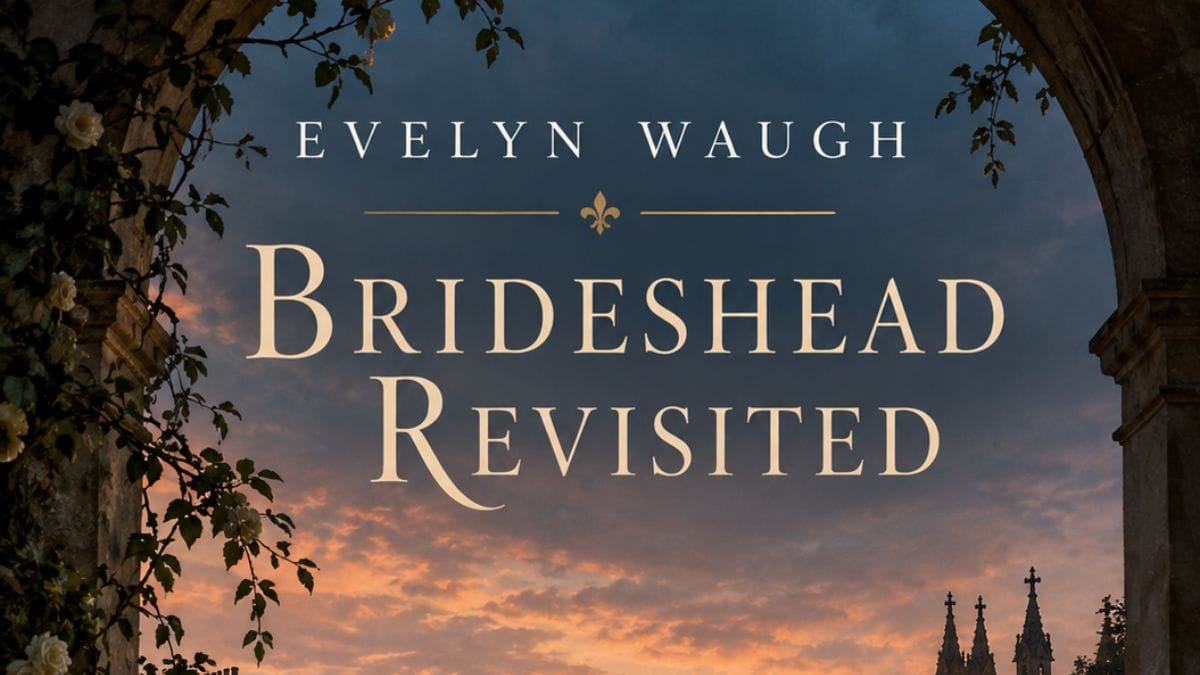
Brideshead Revisited by Evelyn Waugh
Brideshead Revisited gives dark academia something the gothic novels cannot quite provide: Oxford itself, seen through memory, youth, class, friendship, beauty, religion, and the slow realization that enchantment has a social structure behind it. Charles Ryder’s early days with Sebastian Flyte have all the visual ingredients people now associate with the aesthetic—old colleges, cultivated eccentricity, wine, art, privilege—but Waugh keeps asking what remains after the charm begins to crack. That makes the novel especially useful beside today’s romanticized campus imagery. Among modern classics, it is a reminder that beautiful environments do not protect people from loneliness, faith, family damage, or self-destruction. Autumn suits it because the entire book feels like remembering a vanished season.
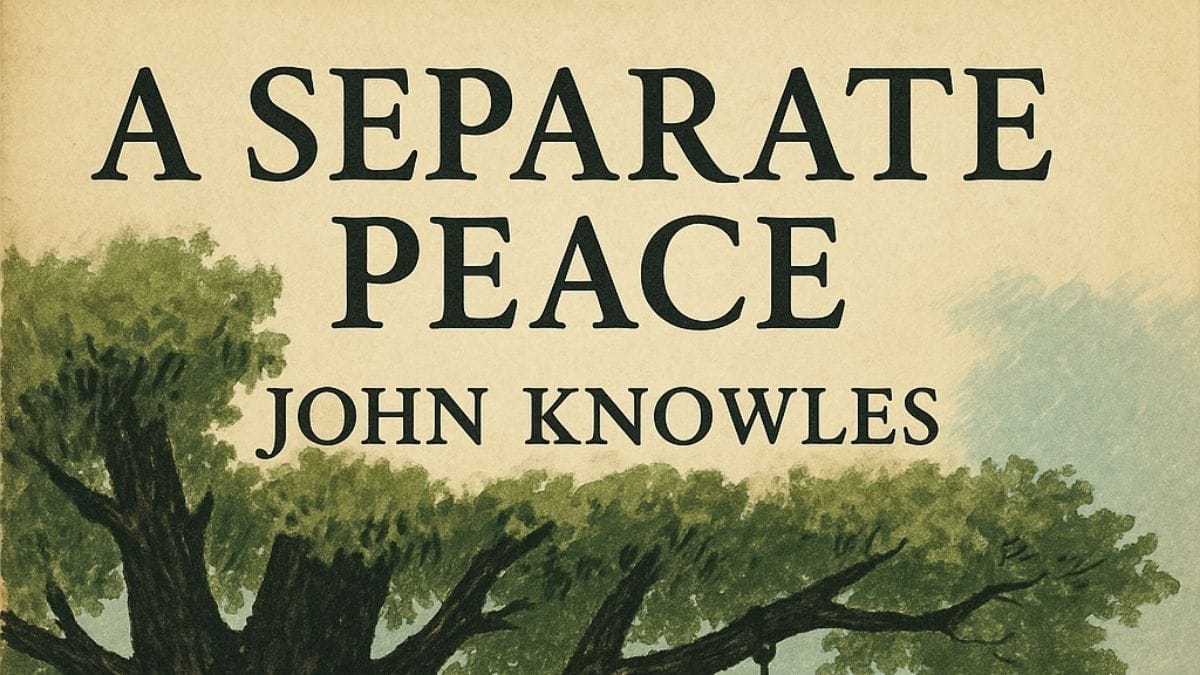
A Separate Peace by John Knowles
A Separate Peace moves the dark academia mood into a boys’ boarding school, where friendship, competition, admiration, jealousy, and fear become difficult to separate. Gene looks back on his relationship with the charismatic Finny and on the moment when private insecurity changes both of their lives. The setting gives the novel immediate academic atmosphere—classrooms, rules, traditions, athletic fields, insulated school life—but the real darkness comes from the mind narrating it. Gene is intelligent enough to analyze himself and still not intelligent enough to stop himself. That tension makes the book one of the more natural coming-of-age classics for this list. It is quieter than Dracula or Frankenstein, but its guilt lingers longer than many ghosts do.
The Prime of Miss Jean Brodie by Muriel Spark
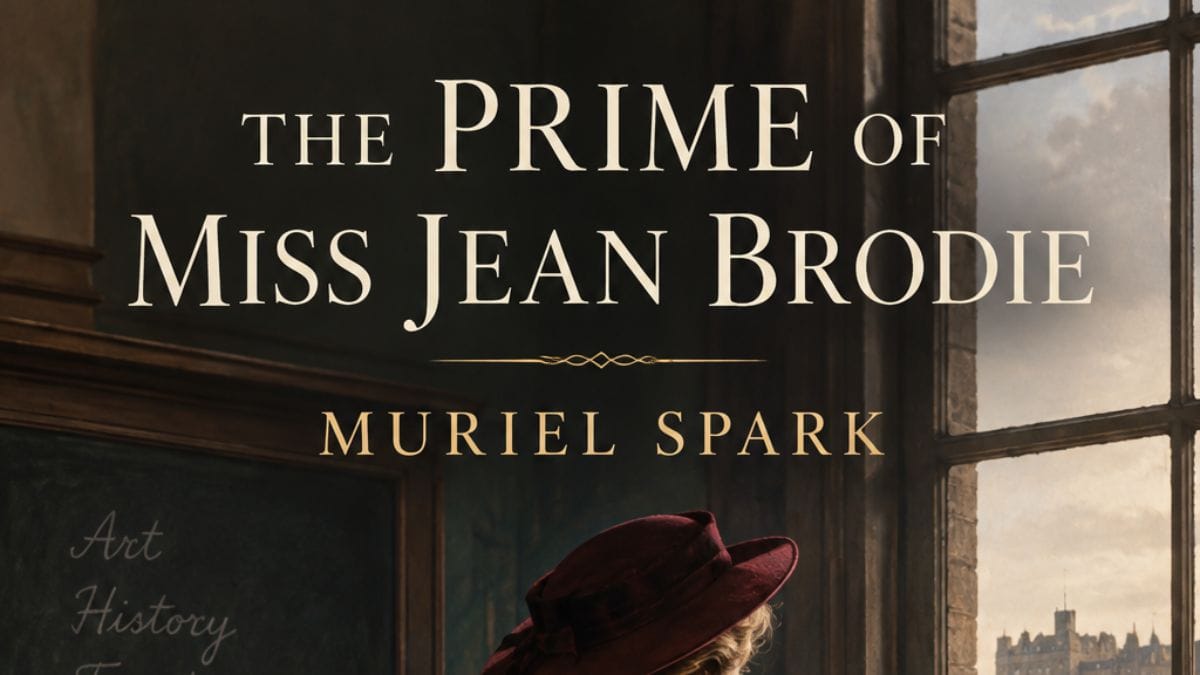
The Prime of Miss Jean Brodie is a school novel about what happens when education becomes charisma, and charisma becomes control. Miss Brodie is witty, cultured, romantic, politically opinionated, and entirely convinced that she knows which of her students are special. Her chosen girls become “the Brodie set,” receiving an education shaped as much by their teacher’s personality as by any curriculum. Muriel Spark keeps the novel sharp and funny, but there is something genuinely dark beneath the elegance. Influence can look like inspiration while it is happening. Only later does the cost become obvious. For anyone building a dark academia fall reading list, this is a useful corrective to the fantasy of the brilliant mentor: sometimes the magnetic teacher is also the danger in the room.
Building Your Dark Academia Fall Reading List
The best dark academia classics are not really about owning the correct sweater or reading under an old lamp. They endure because they understand the darker side of cultivated life. Knowledge can become arrogance. Beauty can become vanity. A teacher can become too powerful to question. A private theory can become a moral disaster. Even education itself can turn dangerous when ideas are used to escape responsibility rather than confront it.
That is what makes these books so satisfying in fall. The season already encourages a little withdrawal: earlier evenings, colder air, more time indoors, more willingness to sit with something dense and strange. A good dark academia reading list uses that atmosphere rather than depending on it. Start with Wilde if you want elegance, Shelley if you want intellectual obsession, Dostoevsky if you want moral pressure, or Spark if you want the classroom itself to become unsettling. The real pleasure is not simply feeling the aesthetic. It is watching these books complicate it.
Thanks for reading. And if you feel like continuing, there’s always another list, another rabbit hole, and usually another book worth adding to the pile. Feel free to browse around or subscribe and see what comes next.